Decoding Hunting Dog Training Whistles for Clearer Field Control
Command Confidence From the First Whistle Blast
Clear whistle work can turn a wild training day into a calm, controlled session. When our dogs know exactly what each whistle blast means, they spin, sit, or drive back without us yelling across the field. That kind of clear control matters when birds are flying, guns are up, and split-second choices count.
Late summer is when many of us are tuning dogs up for early teal and September seasons. The grass is high, the air is thick, and sound does funny things over water and wind. If our whistle cues are muddy or random, dogs slow down, look back, or guess. That leads to missed birds and unsafe moments. In this article, we break down hunting dog training whistles so we can talk to our dogs with precision, cut the yelling and step into fall with confident control.
Why Whistle Communication Beats Your Voice in the Field
Our voice works fine in the yard, but it falls apart once we add distance, weather, and adrenaline. A whistle is simple, but it solves a lot of problems right away.
Here is why whistles usually win over voice in the field:
- Distance: Whistles carry farther than shouting
- Clarity: The tone is sharp and clean through brush and cattails
- Consistency: The sound does not change with mood or stress
- Speed: Dogs pick up crisp, simple patterns faster under pressure
Wind across a marsh, waves slapping a shoreline, a dog splashing in decoys, all of that eats voice commands. A good whistle cuts through those layers so our dog hears the same signal every time.
There is also the emotional side. Our voice leaks feelings. When we get excited or frustrated, our tone climbs, and the dog feels that. A whistle stays steady and calm. That helps a dog stay steady at the line, hold a sit on a missed bird, and come in clean without thinking it is in trouble.
Most of all, steady whistle work is a safety tool. A sharp sit whistle can stop a dog at the edge of a road or when it is moving toward another hunting party. A clear recall blast brings them back out of thick cover before they get turned around. When that response is automatic, we can hunt harder ground with more peace of mind.
Types of Hunting Dog Training Whistles and When to Use Them
Not all hunting dog training whistles sound the same, and that is a good thing. The right style can match our hunting style and normal weather.
First, pea versus pealess:
- Pea whistles have a little ball inside that rolls and gives a trill
- Pealess whistles have no moving parts and give a flat, sharp tone
Pea whistles are great for many upland and versatile setups, where the rolling tone can be easier to hear in closer cover. But in cold, wet weather, that pea can freeze or stick. Waterfowl hunters often lean on pealess whistles because they remain reliable in cold marshes and nasty mornings, and their crisp tone carries well across open water.
Single-tone whistles give one sound. Multi-tone models offer more than one pitch. Multi-tone can help when we:
- Run more than one dog
- Want totally different sounds for sit, recall, and attention
- Train one dog for both upland and waterfowl work
Volume and pitch matter too. Higher-pitched whistles often cut wind and long distances in open marsh or prairie. Mid-range or slightly lower tones can feel better in timber, fields, or when a dog works closer. If a dog seems jumpy or startled by a whistle, we can step down in volume or pick a smoother tone.
Building a Clear Whistle Language Your Dog Understands
Whistles only work if each pattern means one thing, every single time. We are building a tiny language, and our dog has to trust that it never changes.
A simple setup many handlers like is:
- One long blast: Sit or stop
- A series of short blasts: Recall to heel
- Two quick blasts: Change direction or turn and look
To teach this, we start in the yard where there are almost no distractions. We pair the whistle with the command the dog already knows. For example, give the sit command, help the dog sit, then blow the long whistle and reward. Repeat until the dog sits as soon as it hears the whistle. Then we:
- Move from yard to small field
- Add short distance, then more distance
- Work near cover, water, and mild distractions
The goal is timing and repetition. When the dog hits the right response quickly, life gets good, and we keep our mouths quieter. Over time, we fade our voice and lean only on the whistle. That shift turns a noisy hunt into a calm one, where birds and wind are louder than we are.
Solving Common Problems with Whistle Training
If a dog blows off the whistle, the whistle is not broken; the training picture is. We usually see a few common roots:
- Too much distance too soon
- Weak rewards when the dog does respond
- Big distractions the dog was not ready for
The fix is to shorten the distance, clean up the timing, and pay the dog well for fast responses. Then we slowly add distance and distraction again.
Another issue is over-commanding. Some handlers blow nonstop, changing patterns all the time. The dog learns to ignore half of it. We get better results if we:
- Use only a few clear patterns
- Keep each pattern tied to one behavior
- Avoid stacking voice and whistle at the same time once the dog understands
Environment can also mess with sound. Wind steals volume, water slaps and splashes over short blasts, and thick cover muffles tones. We need to train in those same conditions. Practice on breezy days, in shallow water, and in tall grass so the dog learns that the whistle still matters, even when it is faint or half-covered by noise.
Choosing Whistles and Gear for Real-World Hunts
The whistle is just one tool in the system. It works best when it fits our hunting style and pairs with the rest of our training gear.
Waterfowl hunters usually want a tough, pealess whistle on a solid lanyard that stays put in a layout blind or boat. Upland and multi-species hunters may like lighter hunting dog training whistles with tones that stand out from bells, beepers, or natural field sounds. Matching whistle color and lanyard style to our normal setup also helps us grab the right tool without fumbling.
Whistle control ties in with:
- E-collars for silent backup at long distance
- Place boards and blinds to build steady sits on a whistle
- Check cords for teaching recall patterns in the field
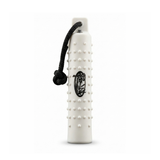
- Training bumpers for handling drills and whistle sits on retrieves
Late summer is a smart time to map out whistle training. We can spend a few weeks on yard work and short fields, then move to water, decoys, and cover as temperatures ease. By the time early teal and upland open, the dog knows that every blast means one thing, and it means it right now.
When we at HuntEmUp Outdoors talk about better hunts, this is what we mean: clear, clean communication between us and our dogs. With the right whistle setup and steady practice, every blast can turn into instant, confident action.
Train Your Hunting Dog With Gear That Delivers Results
If you are ready to sharpen your dog’s response in the field, we offer reliable hunting dog training whistles designed for consistent performance. At HuntEmUp Outdoors, we focus on practical, durable tools that support clear communication between you and your dog. If you have questions about which gear is right for your training plan, contact us and we will help you choose what fits your needs.