Decoding Hunting Gear Essentials for New Duck Dog Owners
Set Your Duck Dog up for Success This Season
Starting your first duck season with a new retriever is a big deal. You are proud of your dog, excited for opening morning, and maybe a little overwhelmed by all the gear on the market. It can feel hard to know what actually helps in the blind and what just takes up space in the truck.
The truth is, the right hunting gear essentials make a huge difference for duck dogs. Good gear keeps your dog safer, makes retrieves smoother, and cuts down on stress for a new handler. It also helps you recover more birds, which is the goal of any good waterfowl team.
In this guide, we will walk through the main gear categories that matter for new duck dog owners: dog-specific gear, training tools, basic waterfowl hunting equipment, and safety items. We will look at how to set smart priorities so you buy what you need first and avoid wasting money on the wrong stuff.
Understanding Your First Season Duck Dog Needs
A first-season duck dog does not need to run long, tricky blinds across big water yet. Most young retrievers are doing well if they can:
- Enter water safely and confidently
- Sit calmly in the blind or on a stand
- Make simple retrieves where they can see the fall
- Come when called, even with decoys and birds in front of them
Age, temperament, and training level all change what gear works best. A soft, cautious dog might need extra visibility gear and a warm, well-fitting vest to build confidence. A bold, high-drive dog might need stronger control tools like a sturdy lead, place cot, and a solid tie-out for breaks at the ramp.
Your hunting style and location matter too. A small marsh or pothole often means shallow water, mud, and close shots. Big water or river setups can bring current, deeper entries, and stronger wind. Public land usually means more people, boats, and dogs around you, so handling gear and control become a big deal. Early teal season is warm and buggy, while later hunts bring cold rain, wind, and ice, so your gear might shift from light and breathable to warmer and more protective as the season moves.
When you are just getting started, it helps to spend first on items that:
- Protect your dog from cold, cuts, and tangles
- Support good habits like place, recall, and steadiness
- Keep you both safer around other hunters and dogs
Fun gadgets can come later. Your dog needs clear rules and a safe setup more than extra toys in the blind.
Core Dog-Specific Gear Every Duck Team Needs
For waterfowl work, simple, tough dog gear goes a long way.
Rugged collars and leads are a must.
- Water-resistant, easy-to-clean material
- A readable ID tag or nameplate that will not snag on brush
- A dedicated hunting lead that gives you good grip around the ramp and parking area
That hunting lead is different from your daily walk leash. It gets wet, muddy, and frozen, and it needs to hold up while you manage guns, decoys, and maybe a boat.
Dog vests and protection come next. A neoprene or protective vest can help your dog stay warmer in cold water, add some float, and guard the chest and belly from sticks, ice, and shell beds. Fit matters more than brand. Check:
- Full chest coverage without rubbing the armpits
- Enough room at the shoulders so your dog can swim freely
- A neck opening that is snug but not tight
On hot early-season days, some dogs are fine without a vest if the water is warm and cover is gentle. As temps drop, that same dog might need the added warmth for comfort and safety.
Place cots, stands, and blinds help your dog know exactly where to be. A raised stand or platform keeps your retriever out of cold water in flooded timber or shallow marsh. A portable dog blind or place cot is also a clear “spot” where the dog must stay until sent. Train with this same gear at home in the yard or garage, then take it to the marsh so your dog recognizes it and settles faster.
Training Tools That Transfer From Yard to Marsh
Good training tools do not just live in the field. The best ones follow you from the backyard to the boat ramp.
Bumpers and dummies are the basics. A small mix helps a lot:
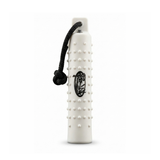
- White bumpers for easy marks and low light
- Orange bumpers for blind work where the dog should use its nose
- Camo or dark bumpers for heavy cover and marsh grass
Real-feel trainers, like scented or feathered dummies, help bridge the gap between plastic and real birds. They teach your dog to carry and hold something closer to an actual duck, so the first hunt is less of a surprise.
Whistles, check cords, and long lines are about control. A whistle cuts through wind and waves better than your voice. Start pairing one- or two-note whistle signals with sit, recall, and attention in the yard first. A check cord or long line gives you a physical backup when proofing recall and steadiness around decoys and water, especially with young, fired-up retrievers.
E-collars and remote training systems can add a higher level of safety and control once you already have solid basics. They are not magic and they are not the first step. If you use one,
- True waterproof construction for dog and handheld
- Enough range for the water and fields you hunt
- Clear tone or vibration options for quiet cues
Work with a pro trainer or a structured program so you introduce any stimulation fairly and clearly. The collar should become a known cue, not a surprise.
Waterfowl Hunting Gear That Helps Your Dog Work
Your dog’s gear does not live alone. It has to fit with your decoys, blind, and hunting style.
Decoy spreads can make retrieves easier or harder. Try to:
- Leave open lanes for your dog to reach birds and return to you
- Keep long anchor lines and jerk cords out of main entry paths
- Use motion decoys and flags away from your dog’s usual routes
For blinds and concealment, plan a clear dog spot. Whether you run layouts, an A-frame, or a boat blind, there should be a safe place for your retriever with:
- A clean, stable surface to sit or lie on
- A clear entry and exit path
- Enough line of sight that your dog can see birds fall when you allow it
Use mesh panels, grass, and natural brush to hide both of you without blocking every view. A dog that can see often marks better and breaks less out of frustration.
Season timing changes gear choices. Early season in places like the upper Midwest often means warm days, bugs, and soft mud. You may focus on:
- Breathable gear and lighter vests
- Cooling breaks and fresh water
- Bug protection for yourself and rest breaks in shade for your dog
Later in the year, cold rain and freezing temps move you toward more insulation for you and more protection for your retriever. Keep an eye on ice buildup, bring tools like a spud bar to check safe footing, and have a throw rope in the boat or blind so you can help if someone slips.
Safety, Comfort, and Cold-Weather Care for Duck Dogs
Cold water is hard on people and dogs. Watch for a retriever that starts to shiver, refuse entries, curl up tight, or move slowly. Those are signs it is time for a break. Rotate retrieves, use shorter sessions, and keep your dog on a dry mat, cot, or stand between sends. A well-fitted neoprene vest, dry towels, and some wind protection make a big difference.
Feet, ears, and eyes need attention too. Sharp ice, shells, and hidden debris can cut paws, especially on softer-footed dogs. In rough areas, some hunters use booties or paw balm for extra help. After hunts, take a minute to:
- Check between toes for cuts or packed ice
- Gently dry ears and look for redness or strong smell
- Rinse eyes with a safe eye wash if you hunted muddy or weedy water
A dog first aid kit in the truck or boat is smart. Keep basics like:
- Gauze, tape, and wrap for bandaging
- Tweezers for thorns or burrs
- Styptic for small bleeds
- Vet-approved antihistamine guidelines for stings or mild reactions
Talk with your vet before the season about water hazards, cold exposure, and what to watch for in your area. Have a plan for fast transport if something serious happens, with a crate or kennel in the vehicle so your dog rides safely even if injured.
Build Your First-Season Gear List and Get Hunting
To keep it simple, a smart first-season setup usually includes:
- Strong collar with ID and a dedicated hunting lead
- Place cot, stand, or dog blind
- Properly fitted neoprene vest for colder hunts
- A few bumpers in different colors and at least one real-feel trainer
- Whistle, check cord or long line
- Basic decoy spread with open dog lanes
- Dog first aid kit, towels, and a dry resting spot
Start using your gear well before opening day. Practice place, recalls, and quiet blind manners with the same collars, stands, and bumpers you will use in the marsh. That way, your dog steps into season already familiar with the tools and expectations.
At HuntEmUp Outdoors, we care about serious hunters and working dogs that are ready for real days in the field. With the right hunting gear essentials, a clear plan, and steady practice, you and your duck dog can head into the fall feeling prepared, safer, and ready to build seasons of good work together.
Gear Up With Proven Hunting Essentials Today
Get ready for your next hunt with the confidence that comes from reliable, field-tested equipment curated by HuntEmUp Outdoors. Explore our collection of hunting gear essentials to build a setup that matches your style, terrain, and game. If you have questions about what to choose or how to outfit your next trip, feel free to contact us for personalized recommendations.