Dog Paw Protection for Hunting: Boots, Balms, and Field Checks
Protect Every Step Before Late-Season Cover Takes Its Toll
Dog paw protection for hunting matters most when late October weather starts changing the ground under your dog’s feet. Wet fields, cold soil, mud, frozen crust, cut crop fields, ice, and thorny cover can wear down pads faster than many handlers expect. A sore paw can slow a hard-charging retriever, make an upland dog hesitate in cover, or end a hunt before the day is done.
We recommend thinking ahead rather than waiting for split pads, bleeding, or limping to appear. For the retriever owners, upland hunters, and sporting-dog handlers we serve at HuntEmUp Outdoors, a simple routine goes a long way: use properly fitted boots, apply paw balm when conditions call for it, and check paws often in the field.
Dog Paw Protection for Hunting Begins with a Secure Fit
A dog boot only works if it stays where it belongs. Before choosing a size, measure your dog’s paw while the dog is standing naturally. Weight on the paw changes its shape, so measurements taken while your dog is lying down may not be as useful.
Measure both the width and length of the paw, and pay attention to thick fur between the toes. Always compare your measurements with the manufacturer’s sizing chart instead of guessing based on breed, age, or body weight. Two dogs of the same breed can have very different feet.
A well-fitted boot should sit snugly above the paw while allowing normal toe movement. Your dog should be able to walk, run, and retrieve without a stiff or awkward stride. Loose boots can rotate, rub, trap mud and gravel, or fall off in deep cover. Boots that are too tight can create pressure points and discomfort.
Before a major hunt, give your dog time to get used to wearing boots:
- Start with short indoor sessions on familiar flooring.
- Move to easy walks on grass or a clean trail.
- Add supervised training retrieves before using boots in hard cover.
- Watch for twisting, rubbing, or an altered gait.
We also suggest carrying spare boots. Mud, creek crossings, thick brush, and frozen cover can all lead to a lost boot or damaged strap when you are far from the truck.
Match Boots to Cover, Weather, and Work
The best boot for one hunt may not be the best choice for the next. Dogs working rocky ground, sharp gravel, hard-packed trails, or cut cornfields need durable materials and protective soles that help guard against abrasion. Those surfaces can grind away at pads over a long day, even when there is no obvious injury at first.
For marshes, muddy fields, and wet cover, look for boots that shed water, drain well, and dry between outings. A boot that stays wet and holds grit against the paw can cause rubbing, so it is still important to inspect it during breaks.
Traction deserves close attention, too. Slippery creek banks, icy paths, wet boat ramps, and frozen fields can make a dog lose footing. Good grip can help your dog stay steadier without adding so much bulk that natural movement changes. For retrievers, bulky footwear may also make swimming and water entries more difficult.
Cold weather brings a few more concerns. Boots can help limit contact with ice, frozen ground, road salt, and chemical deicers around parking areas and travel stops. Still, quality gear is not a reason to skip checks. Temperature changes, trapped grit, wet material, and a shifted boot can all create irritation during a hunt.
Use Paw Balms for Cold, Ice, and Abrasive Ground
Paw balm is a helpful addition to dog paw protection for hunting, especially for dogs that do not wear boots comfortably in every situation. A dog-safe balm can help condition dry pads and provide a temporary layer between the paw and rough, cold ground. It can be useful when snow, ice, mud, and abrasive soil are part of the day.
Before heading out, apply a light, even layer to clean, dry pads. If the product directions allow it, you may also apply it between the toes. After the hunt, clean and dry the paws first, then apply balm again to support recovery from the day’s exposure.
Keep these points in mind when using paw balm:
- Choose a product made for dogs, since dogs may lick their paws.
- Avoid human lotions or products with ingredients that may not be safe for dogs.
- Use a light layer, because too much balm can collect dirt.
- Watch footing carefully, since excess product may affect traction.
Balm is not a replacement for boots on sharp rock, broken ice, thorny cover, or heavily salted ground. During especially rough late-season hunts, balm and boots can work well together, provided you continue checking for trapped debris and rubbing.
Spot Trouble Early with Consistent Field Checks
High-drive dogs often keep working even when something hurts. That is why we recommend checking paws before the hunt, during breaks, and as soon as you are back at the truck. A quick look can catch a small cut, burr, torn nail, cracked pad, or rubbed spot before it turns into a bigger problem.
Do not inspect only the bottom of the paw. Look at the pads, nails, dewclaws, and spaces between the toes. Watch your dog’s movement, too. Limping, repeated licking, shortened strides, hesitation on rough ground, bleeding, swelling, redness, or a boot that keeps rotating all deserve attention.
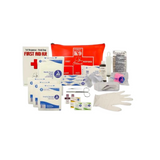
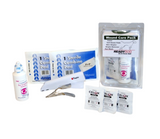
A compact paw-care kit is easy to keep in a blind bag, hunting vest, or truck. We recommend packing clean water, a towel, dog-safe wipes, tweezers for burrs, replacement boots, paw balm, and basic first-aid supplies. Deep cuts, ongoing limping, severe swelling, or signs of infection should be evaluated by a veterinarian.
Pack a Paw Care Kit and Hunt with Confidence
Late-season cover asks a lot of hunting dogs, but a little planning can help keep their paws in better shape. Fit boots before the season, choose footwear for the terrain, use balm with care, and make paw checks part of every outing. Those habits can help your dog stay more comfortable and ready for the next retrieve.
Before colder weather and tougher cover arrive, take a few minutes to look over your dog’s feet and your field gear. Catching trouble early is always easier than managing sore paws after a long day in the field.
Give Every Hunt A More Comfortable Finish
At HuntEmUp Outdoors, we offer dog paw protection for hunting to help your dog stay comfortable and ready for the next retrieve. Explore durable options designed for demanding cover, changing weather, and long days outdoors. If you need help choosing the right fit or gear, contact us for practical guidance.