First-Time Water Retrieves: Step-by-Step Progression and Cold-Water Safety
Building Your Dog’s Confidence Before the First Splash
A first water retrieve can make or break a young retriever’s love for the water. Late summer is when many of us start pushing a little harder, trying to get dogs ready for opening day, and that is exactly when mistakes happen. Tossing a bumper into deep water and hoping for the best can scare a dog, hurt confidence, and even create long-term problems with water entry.
A simple step-by-step plan keeps things safer and more fun. We want steady progress: first building shoreline confidence, then adding distance, then bringing in real hunting distractions, and finally staying smart when the water turns cold. When we train this way, our dogs learn to trust the water, trust us, and work hard without getting pushed too fast.
At HuntEmUp Outdoors, we care about that kind of smart training. Field-tested bumpers, check cords, vests, and good supplements can all support safe, steady water entry dog training when the days start to cool and the hunts get real.
Laying the Groundwork on Land Before Getting Wet
A dog that listens on land is much safer and easier to handle in the water. If a dog will not come when called on dry ground, it will not magically come when it is swimming out in a pond. Solid basics give you control and give your dog confidence that it understands the job.
Before you ever head to the shoreline, work on simple but strict basics on land:
- Reliable recall on the word you use for “here”
- Sit and stay, even when a bumper is thrown
- Straight, happy retrieves with a clean delivery to hand
- Comfort holding and carrying bumpers and dummies
Keep these sessions short and upbeat. Toss bumpers in light cover, on mowed grass, and on dirt. Change angles and wind, but do not make it too hard yet. The goal is for the dog to think, “Retrieving is fun, and bringing it back to you is always the right answer.”
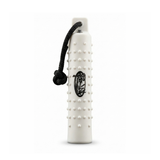
We like to use the same bumpers on land that we will use later in the water. Durable, easy-to-see bumpers that feel good in the dog’s mouth make the switch from dry ground to shoreline much smoother.
First Water Entry Dog Training at the Shoreline
When it is time for that first splash, the setup matters more than the throw. Pick a calm training spot with:
- A gentle, gradual slope into the water
- Firm footing with sand, fine gravel, or solid mud
- No big waves or strong current
- Warm late-summer water so the first steps feel good
Start with the dog on a flat collar and a light check cord. Stand at the water’s edge and toss very short retrieves that land in just a few inches of water, parallel to the shore. Let the dog walk in at its own pace. If it wants to sniff and paw at the edge first, that is fine.
A few tips for those first sessions:
- Keep throws short and easy to see
- Use a favorite bumper or dummy that the dog already loves
- Use a happy voice and praise when the dog steps in and brings it back
- Do not drag or force the dog into deeper water
The check cord is there to guide, not to pull the dog into something it fears. Help keep the dog straight, prevent it from running off, and calmly reel it in if it decides to parade around. End early, after a couple of good, confident retrieves. Stopping on a win is better than pushing until the dog gets tired or worried.
Building Distance and Confidence Beyond the Bank
Once the dog is trotting right into the shallows and looks relaxed, you can slowly add distance. This is where wading becomes true swimming. Take your time.
Increase the challenge in small steps:
- Move your throws from ankle-deep water to knee-deep water
- Then toss just far enough that the dog has to push off and swim a few strokes
- Gradually lengthen the distance only when the dog looks eager and sure
To keep things safe and clear as you reach out farther, pay attention to wind and water. Throw with the wind at your back so the bumper flies straight and lands where the dog can see it. Stay away from strong current, heavy chop, or steep drop-offs that could surprise a young dog.
Helpful tools at this stage include:
- Bright floating bumpers that stand out on the surface
- Longer check cords for extra control during early swims
- Visibility aids, like bumpers with flags or contrasting colors, so the dog can mark better
If the dog starts to show any worry, shorten the distance and drop back to a place where it was calm and confident. It is better to take one step back today than to fight fear for weeks.
Adding Distractions and Real-World Hunting Challenges
Once basic water retrieves look easy, it is time to add the chaos that comes with real hunts. Do not rush this. Your dog should already be confident entering the water and swimming for a bumper before you layer on other challenges.
Start with mild distractions:
- Other dogs working at a distance
- Light splashing near the shoreline
- A couple of decoys floating off to the side
Keep your standards the same. The dog still needs to sit, watch the throw, wait for the cue, and bring the bumper right back. If the dog breaks early or starts chewing on bumpers, slow things down and clean up the obedience again.
To get closer to a waterfowl hunt, you can:
- Set out a small decoy spread and throw retrieves through it
- Use calls or a boat nearby so the dog learns to ignore extra noise
- Practice steadiness on the bank while bumpers fall, then send on command
Reliable gear matters when excitement is high. You want sturdy bumpers that do not sink, cords that will not snap, and collars that hold steady so your cues stay clear. Safety and control come first, even when ducks and geese are flying and everyone is fired up.
Cold-Water Safety and late-season Training Tactics
As the weather cools and the water loses its summer warmth, the rules change. Cold water can sap strength fast and can turn a normal training day into a health risk. Hypothermia, muscle cramps, and hidden hazards like ice or debris are real concerns.
Adjust your training plan when the water is cold:
- Keep retrieves shorter and closer to shore
- Give plenty of breaks to rest and warm up
- Watch for shivering, stiff movement, or slowing down
- Dry the dog quickly between sets, especially in windy conditions
A well-fitted neoprene vest can help hold body heat, protect the chest and belly, and give a little extra float. Make sure it fits snugly without rubbing or limiting movement. Never leave a dog sitting soaked and still in cold wind for long periods.
Hard-working retrievers also benefit from good supplements and joint support as the season goes on. Cold water and rough ground can be tough on muscles and joints. Simple steps like gentle warm-ups, cool-downs, and solid post-training care can help your dog feel ready to go again the next day.
Putting Your Water Retrieve Plan Into Action
A smart water entry dog training plan is not complicated, but it does ask for patience. First, build strong basics on land. Then grow shoreline confidence, step into easy shallow water retrieves, stretch distance only as the dog stays relaxed, and add distractions that look more like real hunts. When the water turns cold, shift your focus to safety, warmth, and recovery.
When we train this way, we build dogs that love the water and work hard for many seasons. At HuntEmUp Outdoors, we have spent years focused on durable, field-tested gear for serious hunters and their dogs, from bumpers and check cords to vests and canine supplements. A good plan and the right tools help make those first water retrieves the start of a long, confident life in the marsh.
Help Your Retriever Build Confidence In The Water
If you are ready to take your dog’s skills to the next level, our water entry dog training tools make it easy to structure every session. At HuntEmUp Outdoors, we focus on practical gear that helps your dog enter, swim, and retrieve safely and confidently. Whether you are working a young pup or polishing a finished retriever, we can help you set up reliable, repeatable drills. Have questions about the best setup for your dog’s needs, or need help choosing gear, just contact us and we will walk you through it.