Maximizing Dog Training Equipment for Small Yard Retrievers
Training a gun dog in a small yard is not a setback. With the right dog training equipment and a smart plan, that little patch of grass behind the house can shape a steady, sharp retriever that is ready when the first teal buzzes the decoys. Early summer is a great time to tune up basics, clean up bad habits, and keep your dog’s mind and body working even when you cannot get to big fields or water every day.
In this guide, we will walk through how to think about small-space training, the gear that helps the most, and practical drills you can run in short, focused sessions. Our goal is simple: help you turn that suburban or small-town yard into a mini training field that pays off in the blind and in the upland cover when fall rolls around.
Train a Gun Dog Anywhere: Turn Your Small Yard Into a Pro-Level Field
Many hunters feel stuck once spring snow goose or turkey season wraps up. The dog is amped up, but the only daily option is a fenced yard squeezed between neighbors and sidewalks. It can feel like your retriever is slipping behind while others are running big water setups and long field marks.
Here is the truth: small space does not have to limit big progress. With focused drills and the right pieces of dog training equipment, you can:
• Sharpen steadiness at the line
• Tighten up delivery to hand
• Build better obedience and casting
• Keep conditioning rolling in a safe way
Early summer is perfect for this kind of work. The pressure of hunting season is off, young dogs are recovering from their first real year, and older dogs can reset after months of hard use. Short, smart sessions in the yard now mean fewer problems in the marsh or upland fields later.
At HuntEmUp Outdoors, we put a lot of thought into gear that suits serious waterfowl and upland work, from bumpers and launchers to e-collars and health products. That same gear can turn a small yard into a training asset instead of a limit.
Small-Yard Mindset: Train for the Field, Not the Fence Line
The key is how we think about the yard. The goal is not just to “burn off energy.” We want to rehearse the same skills the dog will use in a blind, boat, or field spread, just on a smaller scale.
In a tight space, focus on:
• Steadiness when bumpers fall
• Clean delivery to hand
• Whistle sits and quick response
• Simple casts and short lining drills
You do not need long retrieves to build a solid gun dog. In fact, shorter retrieves can expose sloppy habits faster. Ten yards is plenty of room to fix creeping, sloppy mouth, swinging around you, or slow sits. Train the concept, not the distance.
Break your work into micro-drills that fit busy weekdays and warm-weather limits:
• 10 minutes of heel and sit around the yard
• 10 minutes of place work and quiet patience
• 10 minutes of simple memory marks or casting
These shorter blocks help keep your dog fresh and focused, and they also help you stay consistent when it is hot or you are tight on time.
Essential Dog Training Equipment for Compact Spaces
The right tools let you get more done in less room. A small kit of well-chosen dog training equipment can cover a lot of ground.
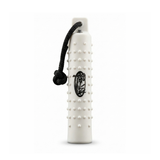
Multi-purpose bumpers and dummies
Standard plastic bumpers are the backbone. Mix in:
• Different sizes to mimic ducks, geese, and upland birds
• White, orange, and dark colors for different backgrounds
• Scent-infused dummies or wings clipped on for realism
Rotating types keeps your dog thinking and prevents boredom. You can work marking, memory, and delivery, all in one yard.
E-collars and check cords
In a compact space, control matters. A properly conditioned e-collar, along with a check cord, lets you:
• Reinforce recall without chasing the dog
• Stop creeping or breaking
• Support whistle sits and casts at close range
Always make sure the collar is fitted right and that the dog understands basic pressure before using it for serious work. The small yard is actually a great, low-distraction place for that foundation.
Place boards and stands
A sturdy place board, dog stand, or small platform can turn a bare corner into a “blind.” You can:
• Teach “place” as a clear, stay-put command
• Practice sitting quietly while bumpers fly
• Mimic boat, marsh stand, or layout blind setups
Noise and launcher options
If ordinances and neighbors allow, bumper or dummy launchers can add sound and height to your drills. Even in a small yard, a launcher can:
• Introduce gun-like noise in a controlled way
• Teach the dog to look up and mark from the sky
• Add excitement without needing big distance
Building High-Impact Drills in a Low-Space Yard
Once you have the right gear, the fun part starts. Here are a few ideas to squeeze big value from tight quarters.
Obedience and steadiness circuits
Set up a simple loop in your yard:
• Start at a place board: sit, stay, quiet
• Heel 10 to 20 steps, stop, sit
• Toss a bumper, make the dog wait, then send
• Recall straight to heel, clean delivery, then back to place
Run this circuit a few times and you will feel how it mimics coming off a stand, walking to pick up a bird, and returning to the blind.
Marking and lining in tight quarters
Use shrubs, trees, or even lawn furniture as “cover.” Toss bumpers:
• Over low bushes for short mark-through-cover reps
• Along the fence line to practice straight lines
• Behind an object for simple memory marks
By changing angles and start points, the same small space can feel new to the dog every session.
Handling and whistle work
You do not need a full field to run handling basics. In a small yard, you can set a mini “T-pattern” or baseball drill with short piles of bumpers:
• One pile straight back
• One to your left
• One to your right
Work on whistle sits, then cast “back,” “over,” and “here.” The focus is on crisp response, not distance.
Summer Safety, Conditioning, and Canine Health
Warm months can be hard on gun dogs, even in the yard. A few habits keep them safer and feeling better.
Beat the heat
Try to:
• Train in the cooler morning or late evening
• Keep sessions short and focused
• Offer plenty of water and rest in the shade
Watch for heavy panting, glazed eyes, or slow movement, and be ready to stop before your dog hits the wall.
Joint and muscle care
Repetitive turns and starts in a tight space can be tough on joints, especially for older or hard-charging dogs. Simple steps help, like:
• Light warm-up walks before harder drills
• Easy cool-down and stretching time after
• Joint support products when needed
Paw and coat protection
Hot turf or concrete can sting pads, and wet coats on dry ground can rub and irritate skin. Pay attention to:
• Paw condition and any small cuts or wear
• Coat tangles or hotspots after water work
• Balms or coat care products when surfaces are rough
From Backyard to Blind: Turning Yard Work Into Tomorrow’s Limits
Every clean sit, straight line, and quiet minute on a place board in June shows up later in the goose pit and in flooded timber. Dogs that drill the basics in tight spaces often look smoother when birds are dropping and the chaos picks up.
A simple weekly rhythm keeps things fresh, for example:
• One obedience and heel day
• One marking day
• One handling and whistle day
• One place and steadiness day
• One light “fun” day with easy marks and play
At HuntEmUp Outdoors, we believe a serious retriever does not need acres to grow. With thoughtful use of dog training equipment, a small backyard can shape the kind of dog that makes every hunt better, from the first early goose morning to the last late-season mallard or upland cast.
Outfit Your Dog For Training Success Today
Equip your dog with reliable tools that support consistent, effective training from day one. At HuntEmUp Outdoors, we offer a complete range of proven dog training equipment to match your dog’s needs and your training style. If you have questions about which gear is right for you, just contact us and we will help you choose with confidence.