Recognizing Duck Dog Steadiness Problems Before Opening Day
Duck dog steadiness can make or break opening day. A steady dog sits tight through shots, watches the sky, and waits for our word before hitting the water. That means safer hunters, cleaner birds, and less chaos in the blind when the first flight finally swings in.
Here, we will talk through why steadiness slips in the off-season, how to spot problems before they cost birds, and simple ways to test and tune up our retrievers at home. If we catch little cracks now, we can fix them long before those teal or early geese buzz the spread at sunrise.
Spotting Steadiness Red Flags Before the First Flight
Early season can sneak up on us. All summer the dog has been chasing bumpers at the lake, racing kids off the dock, and living the good life. Then suddenly teal opener is a couple of weeks away and we start wondering if that “rock-solid” duck dog is still as steady as we remember.
Steadiness matters more on opening day than almost any other hunt. A dog that bolts on the shot can:
- Knock over guns, bags, or hunters in a tight blind
- Flare working birds by splashing early
- Miss crippled birds because it is chasing the wrong mark
- Turn a calm hunt into a loud, stressful mess
Our goal is simple: spot signs of trouble before we load the truck. When we know what to look for now, we can fix bad habits at home instead of fighting them waist-deep in flooded weeds or in a small boat in the dark.
Why Duck Dog Steadiness Slips in the Off-Season
Most dogs do not lose steadiness overnight. It fades a little at a time while we relax the rules in warm weather. A few common things chip away at good manners:
- Tossing fun bumpers and letting the dog blast off whenever it wants
- Letting kids throw retrieves without any sit or release command
- Encouraging big dock jumps with no control at the line
- Dropping obedience drills because “season is a long way off”
When the rules change from day to day, dogs get confused. Sometimes they can go as soon as the bumper flies, other times they have to wait. That is how we get creeping, whining, and breaking in the blind.
Age and experience matter too. Young dogs with only one season under their belt often think retrieving is a race. Older dogs may have been allowed to get sloppy in past seasons and will test us again. Dogs coming off an injury or long layoff may be extra amped up and more likely to burst forward.
Early Signs Your Duck Dog Is Not Truly Steady
Steadiness problems usually start as small things that are easy to ignore when the weather is nice. Those tiny cracks get big under cold, loud opening day pressure. Watch for these subtle red flags:
- Scooting forward a few inches after we say “sit”
- Leaning hard toward the mark, almost falling into the send
- Intense staring at the throw with shaking, whining, or heavy breathing
Then there are the obvious problem behaviors we cannot shrug off:
- Leaving the line as soon as the bumper or bird is thrown
- Going on the gunshot instead of our release command
- Breaking when another dog is sent or when someone else fires
Do not just test steadiness in a quiet yard. Add pressure. Put on hunting clothes, set out decoys, shoulder the gun, and have a friend fire blanks. If our “steady” dog falls apart when it feels like a real hunt, we know we have work to do.
Simple at-Home Tests to Expose Steadiness Gaps
We can learn a lot about duck dog steadiness without leaving home. Try a few controlled yard drills:
- Sit and stay while bumpers are thrown behind the dog
- Walk away from the dog while a helper throws marks
- Delay the send for several seconds and watch for creeping or noise
Next, build preseason setups that look like the real thing. Run the dog from:
- A dog stand or platform
- A layout blind in the yard
- A boat on the trailer with decoys scattered around
Mix in calling, shouldering the gun, and “no-bird” calls where we do not send the dog at all. This shows whether the dog is waiting on us or just reacting to motion and sound.
To really test steadiness, add distractions. Have family members walk around, let another dog work, or ask a friend to throw bumpers while we handle. If the dog falls apart only when things get busy, that tells us where to focus training.
Training Fixes for Creeping, Breaking, and Whining
Good news: most steadiness problems can be fixed by going back to basics and being strict about rules. For creeping and breaking, we can:
- Return to place training on a stand or platform
- Reinforce sit and stay with a check cord so the dog cannot self-release
- Use an e-collar carefully, only to back up known commands
- Refuse to send on sloppy sits, reset the dog until it is calm and still
For whining and anxiety, the key is to lower the dog’s arousal. Try shorter, calmer sessions with more delay between shot and send. Only release when the dog is quiet. If we hype the dog up with loud yelling and rapid-fire sends, we are teaching it to get wound up.
The biggest factor is timing and consistency. Use the same clear release word every time. Never send on movement, noise, or guesswork. If steadiness breaks, stop, reset the dog, and make it get calm before it earns another retrieve, even if that slows training.
Gear That Makes Steadiness Training More Effective
The right tools help keep training clean and clear for the dog. For steadiness work, it helps to have:
- Place boards or stands to mark a solid “do not move” spot
- Dog blinds and portable stands that match our hunting style
- Check cords to control motion at the line
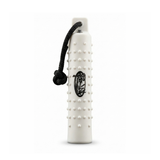
- Quality dummies that feel and fly like real birds
Remote launchers, wingers, and bumpers with streamers can also boost steadiness. They add excitement and movement away from us, so the dog learns that marks in the field are not a free-for-all. The dog must still wait for our word.
At HuntEmUp Outdoors, we focus on gear for serious waterfowl and upland dog work, including durable training dummies, stands, and blinds that let us rehearse real setups long before opening morning.
Tune up Your Duck Dog Steadiness Before Sunrise Arrives
In the last week or two before the season, it pays to run a “mock opener.” Get up early, throw on waders or hunting clothes, set decoys, blow the call, and shoot blanks while the dog waits on a stand or in a blind. If it can stay rock-solid through that, we are in good shape.
Use a simple checklist as we tune up: the dog holds sit under gunfire, does not break when other dogs work, stays calm in the blind or stand, and only leaves on a clear release command. If any piece is shaky, we still have time to fix it. At HuntEmUp Outdoors, we are all about helping hunters build steady, safe duck dogs that are ready when that first flight of the season drops into the spread.
Build Rock-Solid Steadiness In Your Duck Dog Starting Now
If you are ready to turn what you learned in this article into real results in the field, we are here to help. Explore our proven training tools designed specifically to improve duck dog steadiness and reinforce calm, controlled behavior under pressure. At HuntEmUp Outdoors, we use and recommend gear that supports consistent, realistic training scenarios so your dog understands exactly what is expected. If you have questions about which setup is right for your dog or training goals, contact us and we will help you build the right plan.