Problem-Solving with Dog Training Scents for Tough Retrievers
Turn Stubborn Retrievers Into Sharp-Nosed Problem Solvers
Some retrievers are easy. Others are flat-out tough. They blow past the fall, scan the horizon with their eyes, get bored on long blinds, or shut down when the cover gets thick. You know there is a good hunting dog in there, but the pieces are not coming together in the field.
Dog training scents can flip that switch. When we ask a retriever to truly work scent, not just chase what they see, we tap into the hunting instincts that are already built into the dog. Done right, scent work builds confidence, tightens up marking, and keeps hard-headed dogs mentally honest. In the next sections, we will walk through how to use dog training scents to fix common problems and build a smarter, more reliable dog for early-season and beyond.
Why Tough Retrievers Need Scent-Based Problem Solving
A “tough” retriever is not always a bad dog. Often, it is a smart dog that thinks for itself. These dogs may have:
- High prey drive and lots of speed
- A habit of racing past the fall and then looping around
- A love for big, flashy marks but no patience for tight hunting
- A talent for guessing where birds are instead of taking casts
Many of these dogs have learned to rely on their eyes. They watch the thrower, scan the horizon, and run to where they think the bird will be. That works in short grass. It falls apart in cattails, CRP, flooded timber, or when there is only scent and no splash.
Dogs actually use scent in a few key ways:
- Ground scenting, nose close to the ground, tracking where a bird ran or dragged
- Air scenting, nose higher, pulling scent as it drifts on the wind
- Working a scent cone, starting on the edge of odor and moving to the source
If we train only with visible marks and pattern blinds, we leave big holes in those skills. Dog training scents let us strip away the visual part and ask the dog to focus on what they smell. That is perfect for off-season work or for places where we do not want to use birds every day.
For hard-charging retrievers, scent work also gives needed mental work. When a session forces the dog to think, search, and solve problems, we see less boredom and fewer bad habits like breaking, whining, or frantic, zigzag hunting.
Matching Dog Training Scents to Specific Retriever Problems
Different hunting styles call for different scent pictures. An upland dog that busts through milo or CRP all day may need more pheasant or dove scent. A waterfowl dog that spends time in marshes, flooded fields, or big water does better with duck or goose scent. Versatile dogs often benefit from a mix, like duck one day and rabbit the next.
Variety matters because in real hunts, scent is messy. A dog may cross duck scent on the bank, goose scent on a point, and pheasant scent in the grass all in one morning. Mixing scents in training keeps the dog adaptable and less likely to lock in on just one smell.
Here are a few common problems and how dog training scents can help:
- Overshooting marks: Use a strongly scented bumper at the fall so the dog hits the scent cone and learns to shut down and dig in instead of blowing by.
- Wind checking too wide: Place lightly scented dummies closer to the line so the dog must run straight before they can swing into the wind.
- Losing birds in cattails or CRP: Hide medium-scented bumpers in thick pockets, forcing the dog to slow down, quarter, and work the area.
• Ignoring old falls: Plant older, lightly scented bumpers and send the dog back to those areas so they learn that “old” ground can still pay off.
You can control difficulty by adjusting:
- Scent intensity: Heavy for beginners, lighter for advanced dogs
- Scent placement: On the nose of the bumper, on the body, or on grass at the fall
- Ratio of scented to non-scented bumpers: More scented when teaching, fewer when testing
Used this way, dog training scents turn plain bumpers into realistic training birds.
Step-by-Step Scent Drills to Fix Common Field Issues
Start simple and build up. For marking drills, begin in short grass with a crosswind. Toss a scented dummy 20 to 30 yards. Let the dog see the throw, then send. Once the dog is driving to the scent, move the same setup into slightly taller grass, then into light cover, then heavier cover. The goal is for the dog to stay in the scent cone, even when they can no longer see the bumper.
For blind retrieves, create a clear plan:
- Start with pattern blinds in spots the dog knows, using well-scented bumpers at the end.
- the same blinds with a light crosswind so the dog learns to trust both the line and their nose.
- Add channel blinds in water, where scent can drift, and let the dog figure out how the smell moves.
- Over time, age the scent so it is not always “fresh” at the fall.
A solid hunt-dead drill is simple but powerful. Place a lightly scented bumper or bird in thick cover without the dog watching. Walk in, give your hunt-dead command, and move slowly while the dog works. Resist the urge to jump in and point. Let the dog learn to work methodically until they grab scent and lock on.
If things go sideways, keep it fair:
- Dog blows past scent: Shorten distance and boost scent strength.
- Dog loses the fall: Simplify the wind angle so scent blows straight from bumper to dog.
- Dog gets too amped: Shorter sessions, more place work, and calmer setups before adding pressure again.
We want success and learning, not frustration.
Building Mental Grit with Advanced Scent Challenges
Once the basics are solid, tougher scent problems can build real grit. Try setting up “problem sets” such as:
- Multiple falls where only one bumper is lightly scented
- Long-angle water entries where scent drifts away from the line
- Mixed-cover lines that shift from mowed path to brush to cattails
These drills push the dog to trust both training and nose, even when the easy answer is not there.
Scent-based memory drills are another strong tool. Plant scented bumpers one day, then run the dog in the same area later when scent is older and lighter. This teaches the dog to honor old scent and keep hunting instead of giving up when things get tough, just like on late-season recoveries.
Rotating different dog training scents, such as duck one day and pheasant the next, keeps dogs honest. They learn that their job is to find what we sent them for, no matter what it smells like. That prepares them for mixed-bag hunts, where ducks, geese, and upland birds might all be in play.
Always keep safety and fairness first, especially in hot, humid conditions like we see through much of the warm season. Watch the water breaks, monitor breathing, and remember that a dog that suddenly quits may be mentally tired, not being stubborn. Scent work is hard brain work, so keep sessions focused and end on a win.
Gear up Smart and Put Scent Work Into Your Training Plan
To run consistent scent training, a small, focused kit goes a long way. Most handlers do well with:
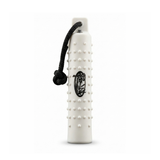
- A few different dog training scents for the game they hunt
- Durable bumpers in a mix of colors and sizes
- Scent-proof bags or containers so smells do not blend in storage
- Basic training tools like leads, place boards, and whistles
A simple pre-season plan might look like this: two short scent-focused sessions each week, paired with your normal marks, blinds, and steadiness drills. One session can target marking problems with scented dummies in changing cover. The other can work blinds, hunt-dead, or old-scent drills.
Start by picking your dog’s top two problem areas. Maybe it is running past the fall and losing birds in cattails. Use one main scent-based drill for each and stick with it for several weeks before you change things up. As consistency improves, ease back on scent strength and add more challenge.
At HuntEmUp Outdoors, we live for serious hunting and dog work. With the right dog training scents, solid gear, and a clear plan, that “tough retriever” can turn into the sharp-nosed partner you trust on every bird this season.
Boost Your Dog’s Training Results With The Right Scents Today
If you are ready to make your drills more realistic and effective, explore our curated selection of dog training scents designed to support consistent, reliable performance in the field. At HuntEmUp Outdoors, we focus on practical, durable solutions that help you and your dog get more out of every training session. If you have questions about choosing the right products for your setup, simply contact us and we will help you dial in a training plan that fits your goals.