Beyond Basic Bumpers: Retriever Training Dummies for Real Hunts
Turn Training Dummies Into Real Hunt Skills
Retriever training dummies can be so much more than plastic toys in a backyard. When we use them the right way, they turn drills into real hunting skills that hold up when the shooting starts and the birds are falling.
Late-summer is when a lot of dogs hit a wall. They run the same simple bumper marks in the same yard or pond, over and over. Then opening day shows up with cold water, moving decoys, crippled birds, yelling hunters, and big emotions. That gap is where dogs break, refuse water, or lose birds they should get.
We want to close that gap. With smarter dummy choices and more realistic setups, we can build steadiness, confidence, and reliable retrieves that feel normal to the dog in the blind, field, or timber. At HuntEmUp Outdoors, we live for serious hunting and working retrievers, and we only keep gear that has been through real training and real hunts. Let us walk through how to turn simple bumpers into true bird work.
Why Basic Bumpers Are Only Your Starting Point
Standard plastic bumpers are where most of us begin, and they do have a solid job. They help a young dog learn what a retrieve is without bad habits from real birds too early.
Basic bumpers are great for building things like:
- Straight-line retrieves on land and water
- Grip and hold, with clean delivery to hand
- Confidence jumping into water and swimming back
- Simple marking skills and enthusiasm for the game
But that is where the limits start to show. Plain plastic has no scent. The shape is smooth and even, not like a duck or pheasant that flops and fights the air. The weight rarely matches the birds we hunt. Over time, some dogs become what we call bumper smart but bird dumb. They look great in clean setups, then fall apart on a cripple in cattails.
So when do we move past only basics? Signs your dog is ready include:
- Consistent single marks, land and water
- Reliable recall and delivery to hand
- No more chewing or playing keep-away with the bumper
On the other hand, if you see creeping at the line, dropping early, rolling the bumper, or starting to look bored, that is your cue. Those signs tell you it is time to mix in more realistic dummies and more complex work to keep the dog thinking like a hunter, not a yard dog.
Choosing Retriever Training Dummies That Mimic Real Birds
To build real hunting skills, we want dummies that feel and act more like actual game. Shape and weight matter a lot here.
Think about moving beyond the simple cylinder to options like:
- Dead-fowl style trainers with head, body, and tail
- Goose-size dummies for big-water and field goose work
- Weighted designs that sag and swing like a real bird in the mouth
These shapes force a dog to learn how to pick up, balance, and carry something awkward, just like a fat mallard or long-tailed rooster. It builds mouth control and confidence so they do not drop a bird when footing gets rough.
Scent is a big piece too. Scent-injectable dummies or scent strips let you match what you actually hunt, like duck or upland bird smells. When you run these in warm summer water, marsh edges, or grassy covers, your dog is already learning how real birds smell in those same places come fall.
Color matters more than many think:
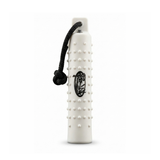
- White bumpers are easy to see, great for young dogs and marking drills
- Orange is harder for dogs to see, so it shines for blind retrieves where we want them to trust our handle, not their eyes
- Camo or darker colors disappear in cattails, timber, or stubble, perfect for seasoned dogs that need more challenge
With a mix of types and colors, you can build a natural ladder from simple marks to serious bird work.
Designing Real-Hunt Scenarios with Training Dummies
If we want real results, our setups need to look and feel like real hunts. We can do that with the right mix of dummies and a little creativity.
To mimic a duck blind, try this:
- Put out a small spread of decoys in a pond or flooded area
- Use a dog stand, place board, or platform like you will use in season
- Toss multiple marks with realistic bird dummies into and around the spread
- Blow a few calls, talk with a partner, and add pauses before you send the dog
This builds steadiness, focus, and control in the middle of motion and noise, not quiet backyard drills.
For upland and cripple work, plant scented dummies in cover. Work different wind directions so sometimes the dog must push into the wind and other times angle across it. Mix easy finds near the path with tougher birds deeper in grass or brush. This teaches your retriever to stay on the hunt and track scent the way it will need to on roosters or late-season mallards that hit the ground running.
Weather and terrain are training tools too. Start early on warm water that feels good, then add:
- Deeper entries with light chop
- Muddy banks, cattails, and soft footing
- Land setups that cross ditches, levees, and fencerows
Always keep safety first. Watch for heat, sharp objects, and current. The goal is a dog that has already seen tricky ground and water before opening day, not one that meets it all for the first time.
Matching Dummies to Training Stage and Dog Type
Not every dog needs the same gear right away. We want to match the dummy to the dog’s age and skill level.
For puppies and very young retrievers:
- Use soft, smaller dummies that are easy to grab
- Avoid hard plastic heads or long tails that can poke or scare them
- Keep sessions short and fun, ending while they still want more
The goal here is simple: build a dog that lives to retrieve and loves carrying a bumper.
Intermediate gun dogs are ready for more. This is where we mix:
- Standard bumpers for reps and clean mechanics
- One or two realistic bird dummies for new weight and shape
- Simple doubles and short blind retrieves in easy ground
We keep confidence high but start adding rules, like steadiness and clean delivery under a bit of pressure.
Finished and competition level dogs need higher standards and more complex tools. Think:
- Heavier goose and duck dummies that test strength and grip
- Specialty bumpers for handling drills, like T patterns and water blinds
- Dummies used in cheating-water setups, where we expect the dog to stay honest even when the bank looks easier
At this stage, the dummies help polish details, tighten control, and keep a seasoned dog sharp and honest.
Elevate Your Dog’s Season with Hunt-Ready Gear
As seasons approach, it helps to take a hard look at our training pile. Many hunters find they only have a couple of old white bumpers, maybe with cracked ropes or chew marks. That gear will not carry a dog from backyard fun to tough hunting conditions.
A focused kit might include:
- A set of basic bumpers in white and orange
- One or two realistic bird-style dummies that match the birds you hunt
- Scent products for duck and upland drills
- A few specialty bumpers for handling and advanced water work
With a simple plan of two to four focused sessions a week, using these retriever training dummies in smarter, more realistic ways, we can turn off-season practice into calm, automatic performance when it really counts. At HuntEmUp Outdoors, we build our product selection around serious hunters and hard-working dogs, so your training time actually shows up in the blind and in the field.
Upgrade Your Retriever’s Training With Proven Gear
Give your dog the tools needed to progress faster and with more consistency using our carefully selected retriever training dummies. At HuntEmUp Outdoors, we stock products trusted by serious trainers who expect durability and realistic performance in the field. If you have questions about choosing the right gear for your dog or training style, contact us and we will help you get set up with what works.