Safe Water Exits and Shoreline Re-Entry: Prevent Slips and Re-Board Safely
Build Confident, Safe Water Dogs Before Season Opens
Safe water work is not just about the big leap. It is also about how your dog climbs out, where those feet land, and how that wet body gets back into the boat or onto the stand without a slip or crash. A simple slide off a muddy bank during early teal or a bad jump at the boat can turn into sore shoulders, cut pads, or a dog that suddenly does not trust the water.
Many hunters are sharp about water entry dog training, marks, and steadiness, but exits get ignored until something goes wrong. Late summer brings low water, sticky mud, and more boat traffic, which all raise the odds of little mistakes becoming big problems. When we treat exits and re-entry as skills, not afterthoughts, our dogs stay healthier and more confident all season.
At HuntEmUp Outdoors, we care a lot about real field work, not just looking good in a training photo. The right bumpers, platforms, vests, and traction setups help us train these skills in August before the first early birds buzz the spread.
Why Safe Water Exits Matter as Much as Entry
A clean jump into the water looks great. But the return is where many dogs get hurt. Common trouble spots include:
- Slipping on steep, muddy banks
- Slamming chest or shoulders against the side of the boat
- Catching toes in boat ladders or stand rungs
- Over-reaching on levees, dikes, or rocky shorelines
Warm late-summer water can wear a dog down fast. A tired dog will guess more and think less. That is when they misjudge a jump, twist a joint, or panic when they cannot find an easy way out through cattails, reeds, or rocks.
Structured exit and re-entry work does a few big things for us and our dogs: it protects joints and pads, builds trust in heavy cover, and teaches the dog to keep a clear head when the shoreline is not simple. The bonus is better performance. A dog that knows exactly how it will get back to us swims a straighter line, spends less time splashing in the decoys, and puts more focus on the mark, not the exit.
Foundations of Safe Water Entry Dog Training
Safe exits actually begin with the send. Wild, flying launches from high banks and unstable footing set the wrong pattern from the start. We want controlled, thinking entries so we can get controlled, thinking exits.
A few simple rules help:
- Send from stable, flat footing whenever possible
- Ask for a sit and steady pause at the water’s edge
- Stop “suicide launches” off steep banks or concrete edges
From there, we like to build up in steps.
Start on easy ground: short retrieves off a gentle slope with firm footing and clear water. Once the dog is smooth going in and coming out, add a bit of distance. Then add light current, a little chop, or thin cover so the dog learns to read conditions. The goal is for the dog to adjust speed, angle, and effort, both entering and exiting, without drama.
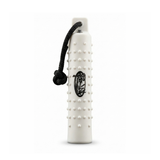
Helpful gear for this stage includes high-visibility floating bumpers so the dog can focus on body control instead of searching. Slip-resistant place boards or platforms at the shoreline give a clear “target” to leave from and return to. A snug hunting vest adds buoyancy and protects the chest and belly from rocks or stumps as the dog climbs out.
We see this kind of work pay off a lot up here when local ponds drop late in summer. A dog that has practiced controlled entries and exits on different banks stays sure-footed when the mud deepens and the angle changes.
Training Boat, Stand, and Marsh Platform Re-Boarding
Boats, blinds, and marsh stands bring their own set of problems. Wet aluminum floors are slick. Dog stands are narrow. Side ladders can be awkward for both handler and dog. Add a decoy line and some flooded brush, and the path back in is not always obvious for a young dog.
We like to break re-boarding into simple steps:
- Start in very shallow water with the boat or stand beached or well anchored
- Use a helper to hold the boat steady and guide the dog’s feet
- Teach one clear re-entry point, like a ladder, stand, or corner of the boat
- Reward calm, slow climbing instead of frantic scrambling
At first, keep the dog’s head level with the deck or stand and help lift if needed. Over sessions, move into slightly deeper water and let the dog do more of the work. Toss bumpers from different angles so the dog learns to return to the same re-entry spot every time, not just the closest edge.
Gear that makes this much safer includes dog boat ladders that give clear steps for each paw, non-slip mats for slick floors, and solid elevated dog stands for flooded timber or marsh setups. With these in place, we can run more reps with less risk, which is the whole point of preseason work.
Injury-Proofing Repeated Marsh Transitions
On a real hunt, the dog might go in and out of the water over and over. That constant push through mud, rocks, and brush can beat up even a fit dog, especially in warm late-summer tune-up sessions.
A simple warm-up goes a long way:
- Short walk at heel to get muscles warm
- A few sit-to-stand and down-to-stand reps
- Easy, straight-line retrieves on land before water
- Gradual build in difficulty instead of starting with the hardest entries and exits
We also want to teach smart shoreline choices. Dogs love the shortest line, but the safest path might be a few yards down the bank. Use whistle sits and casts to guide the dog toward gradual slopes, known exit points, or areas with less rock and brush. With repetition, the dog will start to look for these safe exits without being told every time.
This kind of handling pays off when water levels drop, banks get slick, and the “easy” exit is actually the most dangerous one. The more we talk to our dog with whistle and hand signals during training, the safer those repeated transitions become when teal or local geese are flying.
Build Your Late-Summer Water Safety Plan Now
Late summer is the perfect time to plan out safer water work. Instead of loose, random sessions, set a simple calendar. Give each week a focus: one day on basic water entry dog training and exits, one day on boat or stand re-boarding, one day on shoreline problem solving in real marsh or pond spots that feel like your opening day locations.
A quick preseason checklist helps keep both you and your dog ready:
- Traction setup for the boat floor and dog ladder
- Stable dog stand for marsh or flooded brush hunts
- High-visibility bumpers for clear, confident marks
- Properly fitted vest for buoyancy and chest protection
- Small first-aid kit and a plan to keep sessions short in the heat
When we take time now to train safe exits, smart shoreline choices, and calm re-boarding, we are not just protecting our dogs. We are also building cleaner retrieves, smoother hunts, and a dog that steps into the early season with complete trust in every entry and every climb back out. At HuntEmUp Outdoors, that is the kind of team we all want in the marsh when the first birds swing into range.
Build Your Dog’s Confidence With Every Water Entry
If you are ready to put this article into action, start organizing your bumpers and gear so you can focus entirely on quality water entry dog training reps. At HuntEmUp Outdoors, we design training tools that keep your setups efficient and your dog motivated to hit the water with enthusiasm. Let us know what kind of water work you are doing and we will help you choose the right gear and setup ideas. If you have questions about specific drills or equipment, contact us and we will help you fine-tune your training plan.