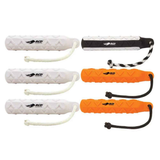
Recognizing when Hunting Dog Training Bumpers Hold You Back
When Training Tools Quietly Limit Your Dog’s Potential
Good bumper work is helpful, but not all bumper work is equal. The wrong hunting dog training bumpers can quietly hold your dog back, even when you are putting in the time. You might think the dog is rusty or stubborn, when the real problem sits in your hand before you ever blow the whistle.
We see it all the time. A dog crushes real birds in the blind but mouths bumpers like glass at home. Another dog rips out on land but tiptoes into the pond once the bumper gets heavy and soggy. Or the dog is perfect in the yard, then falls apart on teal opener when the light is low and birds are falling in thick stuff.
In this article, we will walk through how to spot when your bumpers are holding you back, what to adjust before hunting season, and how matching bumper design to your training goals can bring the dog you see in training into the marsh or field when it really counts.
Subtle Warning Signs Your Bumpers Are Failing You
The first clues usually show up in your dog’s behavior, not in the bumper itself. You toss a mark with a white bumper in the yard, and everything looks sharp. Then a real duck hits the water and things feel different.
Watch for signs like these:
- Retrieves that look clean with bumpers but messy or hesitant with real birds
- Sloppy delivery to hand, lots of drops or circling near you
- Extra chomping, rolling, or shaking of the bumper
- Low energy, wandering, or slow returns during bumper work
Environmental clues matter too. A dog that tracks bright white bumpers in short grass might struggle when you switch to orange bumpers in taller cover. Or the dog that loves standard plastic bumpers on dry land might balk when that same bumper feels heavy and waterlogged out in the cattails.
Late summer and early fall are when these cracks really show. Heat, thicker cover, and more realistic water setups start to expose gaps between easy yard work and real hunting conditions. This is exactly when bumper limits start to show, before the first big push of ducks or roosters.
Common Bumper Mistakes That Create Bad Habits
Many handlers work hard but still fight the same problems because the bumper itself is not helping the dog learn the right habits.
One big issue is size and weight mismatch. Problems can include:
- Bumpers that are too light, so the dog learns to flick or toss them
- Bumpers that are too heavy for young or smaller dogs, hurting confidence
- Odd diameters that make the dog grab on the ends or carry by the tab
All of these can lead to poor mouth habits, dropped retrieves, or a dog that does not trust long throws into wind or water.
Texture and material are just as important. Slick bumpers can slide in the dog’s mouth, so the dog keeps chewing or rolling to get comfortable. Overly soft bumpers can turn into chew toys, and that habit can carry over to real birds. That is when you start seeing damaged birds, hard mouths, or no-bird calls when a judge or buddy is watching.
Then there is the one-dimensional training problem. If you only ever throw:
- One color, usually white
- One style, like a single plastic bumper
- One weight, same feel every time
You are not preparing your dog for real hunts with low light, glare on water, tall CRP, flooded timber, or ice-cold late-season ponds. The dog learns that “retrieving” looks one way, and anything outside that picture feels strange.
Matching Hunting Dog Training Bumpers to Real Hunts
Your bumper choice should match how and where you hunt. A waterfowl dog faces different work than an upland dog, and a mixed-use dog needs both.
For waterfowl dogs, bumper buoyancy and weight matter a lot. You want bumpers that:
- Ride in the water like a duck, not like a cork
- Have enough weight to help keep straight swimming lines
- Are visible enough for early morning or cloudy skies
Upland or mixed-use dogs benefit from bumpers that sit in or just above grass and cover, more like a pheasant or quail. These bumpers should be tougher, easy to grip through leaves and weeds, and not vanish in light-colored grass.
Progression is key. Young pups do better with softer, high-visibility bumpers that make success easy and fun. As season nears, you can shift to:
- Heavier, more realistic dummies
- Different colors for different backgrounds
- Dead-bird drills with more scent and weight
That way there is no shock when the first live bird splashes or hits the ground.
Your climate and season matter too. Late summer training in warm water calls for bumpers that will not soak up water and get heavy. Early teal mornings or foggy marsh days call for very visible bumpers. For advanced work, low-visibility bumpers in cover help dogs learn to trust their nose and memory, not just their eyes.
When to Upgrade to Premium or Purpose-Built Gear
There comes a point when simple throw-around bumpers are not enough. Clear upgrade moments include:
- Your dog’s skills are strong, but small issues keep showing up
- You are preparing for hunt tests, field trials, or more serious hunts
- You keep seeing the same problems even after handling and setup changes
Bargain-bin bumpers can get you started, but they often lack the design details that matter when you are serious about waterfowl or upland work. Premium and purpose-built bumpers usually offer:
- Reinforced valves that hold air and shape
- Proper balance that helps straight lines in swimming
- Durable materials that resist heavy use and chewing
- Molded grips that encourage a centered, calm hold
At HuntEmUp Outdoors, we focus on hunting dog training bumpers and gear that match real waterfowl and upland work, from top brands along with our own HuntEmUp-branded training equipment. Our goal is to help handlers pick the right mix of bumper styles so the dog they see in training is the dog they get when birds are falling.
Tune up Your Training Gear Before Opening Day
Before training ramps up for September and cool mornings start to roll in, it pays to run a quick gear audit. Lay out your bumpers and ask:
- Is the bumper waterlogged, cracked, or leaking air?
- Has the shape warped so it is hard for the dog to carry cleanly?
- Is the color too faded to see in low light or heavy cover?
- Does the texture feel slick or chewed up?
Anything that looks tired, feels wrong in your hand, or keeps creating the same problems is a good candidate for replacement or backup duty.
Then set a simple action plan: rotate in at least one new bumper style that better matches where you hunt most. Maybe that is a heavier water bumper for marsh work, or low-visibility bumpers for advanced marking in cover. Run two to three focused sessions a week using the improved setup and watch for changes in:
- Marking and hunting effort
- Delivery to hand
- Enthusiasm from first throw to last
Small changes in your training tools can unlock a big jump in your dog’s performance. When your gear and your goals line up, your dog has a clear, consistent picture, from backyard to blind.
Boost Your Retriever’s Training With Gear That Works
If you are ready to get more consistent, confident retrieves, upgrade your setups with our purpose-built hunting dog training bumpers. At HuntEmUp Outdoors, we design our gear to handle real training conditions so you can spend more time working your dog and less time dealing with worn-out equipment. Explore the options that fit your training style, and if you have questions about sizing, materials, or how many bumpers you need for your drills, contact us so we can help you plan the right setup.