Creating Blind Retrieve Training Setups in Real Hunting Cover
Blind retrieve training is what turns a good hunting dog into a true partner in the field. We want a dog that will charge straight through marsh grass, cattails, CRP, and flooded timber to pick up a bird it never saw fall, then bring it right back to hand. That kind of work does not happen by accident; it comes from smart training in the same kind of cover we hunt.
In this article, we will walk through how to build blind retrieves in real hunting cover, step by step. We will start with the basics, move into land and water setups, talk about handling, then finish with seasonal tune-ups. Our goal is simple: help you build a confident dog that trusts your cues, no matter what the cover looks like.
Build Confident Blind Retrievers in Real Hunting Cover
A blind retrieve is when your dog goes out for a bird it did not see fall. The dog has to trust your line, your whistle, and your hand signals, and keep going even when it cannot see or smell the bird right away. It is the natural next step after marked retrieves, where the dog watches the bumper or bird go down.
Early fall is a perfect time to work on this. Late summer weeds are high, teal and early goose seasons are starting, and the days are still warm enough for water work. We can take advantage of that to prep for the full waterfowl and upland season that is right around the corner.
At HuntEmUp Outdoors, we spend a lot of time in real blinds and real fields, so we care about training gear that feels like the hunt. When our training tools act like real birds in real cover, our dogs learn faster and carry that confidence into season.
Why Real Cover Matters for Blind Retrieve Training
If a dog only trains on mowed fields or smooth, open ponds, it learns that retrieves are clean and easy. Then opening day shows up with chest-high weeds, tangled brush, or thick cattails, and that same dog may hit the edge of cover and slow down or start hunting short.
Real cover changes across the season:
- Early: green weeds and grass, higher water in some spots
- Mid: crops tall, CRP thick, bugs and heat still a factor
- Late: leaf drop, lower water, more mud, colder temps
When we train blinds in those changing conditions, our dog learns to drive no matter what the ground or water looks like. Scent, wind, and terrain all come into play. Thick grass holds scent, crosswinds pull scent sideways, ditches and ridges push a dog off line.
A few ground rules before you head out:
- Get permission for any private land
- Watch for posted signs and local rules
- Stay away from nesting areas and livestock
- Keep an eye out for snakes, barbed wire, and trash
Real cover builds trust and grit, but we still want to keep our dogs safe.
Laying the Groundwork Before You Add Heavy Cover
Before we even think about heavy cover blinds, we need solid basics. Your dog should already have:
- Reliable heel, sit stay, and recall
- Clean whistle sit in simple areas
- Basic casting skills, back, left, right
- Calm delivery to hand
Pattern blinds are a big help here. These are short, known routes where you place a bumper in the same general area again and again. The dog learns to leave your side, run straight where you point, and expect a bumper out there even if it did not see it land.
Keep these early sessions short and positive, especially in late summer heat. Train in the cooler parts of the day, use shade where you can, and give frequent water breaks. This is also a good time to get your dog used to:
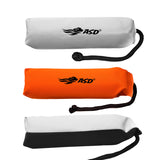
- High visibility bumpers
- Check cords for control
- Training whistles for clear sits
- Lightweight dog vests to start conditioning
When the basics are strong on simple ground, then we can start shaping real blind work.
Designing Your First Blind Setups on Land
Start your first true blinds in light but natural cover. Short CRP, sparse brush, and the edge of cut fields work well. We want the dog to feel some resistance from grass and stems, but not get bogged down or tangled.
Pick lines that are:
- Straight and clear of hidden holes or junk
- Free from steep drop-offs or sharp ditches
- Short enough that the dog can win quickly
A simple early-season plan might look like this:
- Short land blind to a white bumper that is clearly visible at the end.
- Same line, but tuck the bumper just into the grass so the dog has to enter cover.
- Slightly longer blinds over mild obstacles, such as a low ditch or through a strip of thicker grass.
Use wind and terrain as teaching tools. Send your dog into a crosswind so it learns to hold the line instead of letting the scent pull it sideways. Run along tree lines or fencerows so you can see where the dog drifts and clean that up with whistles and casts.
Building Advanced Blinds in Water and Mixed Terrain
Once land blinds look smooth, move to water. Start with clean banks and short swims so the dog is thinking about the job, not just the fun of water. Then add light reeds, cattails, or shallow marsh plants.
Next, build mixed setups that look like a real hunt:
- Land to water to land blinds
- Crossing narrow channels or ditches
- Running through shoreline brush before entering the water
- Swimming past decoys without stopping to sniff or grab
Use more than one blind spot in a session. If you always send to the same area, your dog may run on habit instead of listening. Change locations and angles so each send feels like a new task.
For these water and marsh setups, gear that floats and holds up in cover makes a big difference. Floating bumpers, protective dog vests that add a bit of buoyancy, waterproof leads, and decoys for distraction all help shape a dog that thinks clearly around hunting gear.
Using Directional Cues and Handling to Guide True Blinds
Blind retrieve training is really about trust. The dog cannot see the bird, so it has to believe that your line, your whistle sits, and your hand signals always lead to success.
A simple handling sequence looks like this:
- Line the dog up with your feet and body, not just your arm.
- Give a clear verbal send, like “Back.”
- When you need to, blow the whistle for a sit, then give a strong, clear cast.
- Reward each correct cast by letting the dog complete the retrieve.
Common problems pop up as you add distance and cover:
- Popping, the dog stops and stares back without a whistle
- Cheating cover, skirting edges of water or grass
- Hunting short, quitting the line too early
Fix these calmly. Shorten the blind, simplify the cover, and help your dog win. Try not to nag or over handle. Do not run the same blind in the same cover over and over; that turns into a drill and can wear down attitude.
Seasonal Tune Ups Before Opening Day
As late summer shifts into early fall, set a simple checklist for blind work. Run land, water, and mixed blinds once or twice a week leading up to teal, dove, or early goose. Focus on clear lines and happy returns, not marathon sessions.
Make practice feel like a hunt:
- Wear waders or upland gear
- Use layout blinds or panel blinds
- Drop a small decoy spread in the water or field
- Train during early morning or evening low light
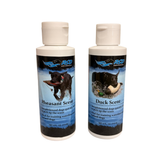
When legal and appropriate, add frozen birds or scented dummies. That helps your dog learn to push through cover for real scent, not just clean plastic.
Do not forget conditioning. Check paws for cuts after stubble or ice, check ears and coat for burrs, and watch for overheating on warm days or chills in cold water. A dog that feels good will work harder and longer on tough blinds.
When we put all this together, blind retrieve training in real cover builds a steady, confident retriever that helps us recover more birds all season. At HuntEmUp Outdoors, we believe every hunt and every offseason walk can double as training, sharpening our dogs’ blind work in the same cattails, grass, and timber we plan to hunt.
Build a More Confident Retriever With Proven Training Tools
If you are ready to take your retriever’s skills to the next level, our blind retrieve training gear is designed to make each session more productive and clear for your dog. At HuntEmUp Outdoors, we select and test equipment that helps you create consistent, realistic drills that build trust and precision. Explore the training options that fit your dog’s current level, and if you have questions about what to use next, please contact us so we can help you build a smart plan forward.