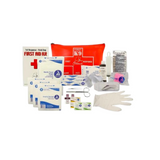
Field-Safe Hunting Dog First Aid Kits for Truck and Blind Bag
When Seconds Count for Your Gun Dog
A hunting dog can get hurt fast in the field. One splash into a beaver run, one step on broken shells, one hard push through cattails, and suddenly there is blood, a limp, or a squinting eye. When that happens miles from a vet, what you do in the next few minutes really matters.
That is where a hunting dog first aid kit comes in. One kit in the truck and one in the blind or layout bag can turn a scary moment into a controlled, calm response. We can cool an overheating dog, flush an eye, wrap a cut, and buy time to reach proper care. Here at HuntEmUp Outdoors, we spend a lot of time in the marsh and fields, so we know how fast things change when birds are flying and dogs are working hard.
In this article, we will talk about why dogs need their own first aid gear, what to pack in the truck and in the blind, how to adjust for early and late season, and simple steps every hunter should practice before opening day.
Why Every Hunting Dog Needs Its Own First Aid Kit
A human first aid kit is not enough for a hunting dog. Dog bodies work differently than ours. Their normal temperature is higher, their skin and pads are built differently, and the meds we keep for people are often the wrong type or the wrong dose for a dog.
Out in the field, dogs run through things that we step around. Common hunting injuries include:
- Barbed wire or fence cuts
- Torn pads from rocks, ice, or shell
- Eye pokes from cattails, burrs, or corn stalks
- Overheating during teal, dove, or early goose season
- Chilling or mild hypothermia after long swims in cold water
A hunting dog first aid kit helps us:
- Respond faster, before a small problem grows
- Clean and cover wounds to lower infection risk
- Cool or warm a dog in a safer, more controlled way
- Stabilize the dog long enough to get to a veterinarian
We put countless hours into training, travel, and handling. Protecting that dog is not just about money, it is about respect for the partner that does the hard work in the field for us.
Truck Kit Essentials for Serious Hunters
Think of the truck kit as your field hospital. It stays dry, organized, and stocked, ready for when you get back from the blind or walk.
Key truck kit items include:
- Sterile saline for rinsing eyes and flushing wounds
- Antiseptic solution or wipes made for pets
- Gauze rolls, non-stick pads, and Vet Wrap
- Bandage scissors and adhesive tape
- Tick removal tools and small hemostats or tweezers
- Styptic powder for minor nail or quick bleeds
- Digital thermometer and water-based lube for it
- Electrolyte packets made for dogs
- Canine emergency or space blanket
The truck is also the place for backups and bigger items:
- Extra slip leads and a spare collar with ID
- A compact recovery crate or kennel
- Any vet-prescribed meds that are part of your plan
- Extra towels for drying or padding
Store everything in a weather-resistant box or bag. In early season heat, keep meds and gels out of direct sun, and in colder late season hunts, protect liquids from freezing if you can. Label each section clearly. Simple tricks help a lot: pre-roll gauze and Vet Wrap, group eye care in one small pouch, and tape a written inventory list under the lid so you can see what is missing at a glance.
Compact Blind Kit Gear for Fast Field Response
The blind kit lives where you hunt. It should be small, tough, and easy to grab with cold, wet hands. A simple waterproof pouch or box that fits in a blind bag, sled, or vest works well.
We like a blind kit that holds:
- Small bottle of saline eyewash
- Small sterile gauze pads and a couple non-stick pads
- Short roll of Vet Wrap and a little tape
- Hemostats or tweezers
- Instant cold pack
- Small multi-tool with scissors and a knife
The blind kit is not meant to fix everything. It is there to:
- Flush out an eye right away
- Control bleeding with pressure and wrap
- Protect an open pad or cut until you reach the truck
- Start cooling an overheating dog or warming a chilled one
To keep it fast and simple, use color-coded pouches inside your main pouch. For example, red for bleeding, blue for eye and flushing, and green for cooling or comfort items. Put that kit in the same spot every time so you and your buddies know exactly where to reach without thinking.
Seasonal Adjustments to Your Hunting Dog First Aid Kit
Early season hunts feel very different from late flights over ice and snow, and your hunting dog first aid kit should change with the weather.
For warm early season, focus on:
- Heat stress prevention and cooling aids
- Extra water and dog-safe electrolyte mix
- Tools for burr, grass seed, and foxtail removal
- Eye rinses and maybe simple dog goggles if your vet agrees
For mid- and late season, shift toward cold issues:
- Space blanket or canine emergency blanket
- Extra towels and a dry mat for the truck crate
- Paw balm and pad wax for ice and frozen ground
- Supplies to help with mild hypothermia, like slow warming with towels and blankets
Build a simple checklist for preseason and mid-season. Check expiration dates, replace what you used, update dosages or meds as your dog gains or loses weight, and tweak the kit based on where you plan to hunt, marsh or big water or dry fields.
Simple First Aid Protocols Every Hunter Should Practice
Gear is only half of the plan. The other half is knowing what to do when your heart rate jumps and feathers are still falling.
Practice these basics before season:
- Check ABCs: airway, breathing, circulation
- Safely apply a soft muzzle if your vet approves, since pain can make any dog bite
- Control bleeding by pressing a clean pad right on the wound and then wrapping with gauze and Vet Wrap
When cleaning wounds, flush with saline, not river water. Gently rinse away dirt and debris, then pat dry, and cover with a non-stick pad and wrap that is snug but not tight enough to cut off blood flow. For pad cuts, support the whole foot so the wrap does not slip. For punctures, avoid closing the wound unless a vet has guided you to do so, since trapping dirt inside can lead to problems.
Work with your veterinarian ahead of time. Ask for safe over-the-counter options and write down dose ranges for your dog’s weight. Keep those notes in a plastic sleeve in your truck kit. Practice bandaging, opening your kit with gloves on, and touching your dog’s paws, tail, and ears so handling does not surprise them in a real emergency.
When we prepare like this, we show our dogs the same care they show us every time they break ice, crash cattails, or swim long retrieves in rough water. Here at HuntEmUp Outdoors, we hunt the same birds you do, and we know that a ready hunting dog first aid kit in the truck and blind is just as important as decoys, ammo, and a clean gun.
Keep Your Hunting Dog Protected On Every Trip
Equip your dog with the same level of care you bring to your own gear by choosing a reliable hunting dog first aid kit from HuntEmUp Outdoors. We select products that stand up to real field conditions so you can respond quickly when minor injuries happen. If you have questions about what to include or which kit is right for your dog, contact us and we will help you get set up before your next hunt.