Dialing in Waterfowl Hunting Calls for Calm, Windy Mornings
Make Calm and Windy Mornings Work in Your Favor
Calm mornings with a steady breeze can be some of the toughest times to run waterfowl hunting calls. The sky is gray, the air feels heavy, the wind has a steady push, and birds slide the edge of your spread without really committing. They are close enough to hear you, but they flare the second you blow too hard or too often. When our calling is even a little off, those easy shots disappear fast.
When we understand how wind, air, and bird mood all tie together, those same mornings can turn into steady, controlled hunts. By dialing in volume, rhythm, and tone, we can speak the language ducks and geese want to hear on those quiet, breezy starts. That is what we are going to break down, along with the kinds of calls and simple practice habits that help us repeat the right sounds every time.
How Wind and Weather Change Your Calling Game
Wind and cool air change how our sound moves. On a calm morning with a steady breeze, our calls travel farther downwind and feel weaker going upwind. Ducks or geese sliding in from behind the wind may hear every note, while birds straight upwind catch only the sharpest parts.
A few simple things happen in that cool, dense air:
- Sound carries farther with the wind than into it
- High, sharp notes stand out more than low, muddy ones
- The steady breeze adds background noise that can hide soft calling
Birds adjust to this too. On these mornings, they often:
- Fly a little lower, using the wind to glide and bank
- Follow natural lines like shore edges, crop edges, or river bends
- Try to land into the wind, lining up on the open side of your spread
That means our setup matters as much as our calling. We want:
- Blinds on the upwind side so birds finish into the decoys and the wind
- The pocket of the spread opened toward where our sound carries best
- Spinning wing decoys anchored tight, not buzzing and wobbling in the breeze
We also tend to use less flagging and flashing motion on these cautious, gray mornings. If we plan to rely on softer, smarter calling, we do not want the spread to scream at birds with constant movement.
Fine-Tuning Waterfowl Hunting Calls for Calm and Windy Mornings
Once we understand how wind and air work, we can start dialing in our waterfowl hunting calls. Volume is the first step. Loud hail calls can grab attention from far off, but on a calm morning with a steady breeze, we want to cut those down as soon as birds turn our way. Once they are inside easy hearing range, softer greeting calls, content quacks, clucks, and moans tend to close the deal.
Tone matters too. For ducks, a more nasal, higher-pitched call often cuts through the wind better than a deep, lazy quack. For geese, we still want body in the sound, but we may lean into clean honks and firm clucks instead of long, booming notes that can blur in the air.
Reading bird body language is our best feedback:
- Wingbeats speeding up or birds climbing: calling is too aggressive
- Heads turning, birds sliding wide: cadence or tone is not matching their mood
- Wings cupped, feet starting down: stop talking so much and let them finish
Pausing is powerful. Call, then wait. Let birds react. If they keep turning and dropping, we stay quiet or give only small, soft sounds. If they start to drift, we answer with a short comeback, not a long, loud fit.
Simple calling sequences help. For ducks on an early fall morning:
- Soft greeting call as they first turn
- A few lazy, content quacks as they swing
- A gentle, short comeback if they start sliding away
- Light feeding chatter only once they are clearly committing
For geese:
- Medium-volume clucks and moans as they line up
- A short burst of excitement notes as they set their wings
- Then a quick return to calm clucks and murmurs as they finish
Having different styles of calls close at hand helps us match wind and mood. A single-reed duck call for sharp notes, a double-reed for softer, raspy sounds, and a short-reed goose call for quick clucks and moans give us a full toolbox as the breeze shifts.
Choosing the Right Calls and Gear for Morning Success
The build of a call changes how it works in the wind. Acrylic duck and goose calls tend to be bright and crisp, which can help cut the breeze when birds are distant or the air noise is high. Wood calls are usually more mellow, which can help on pressured public birds that shy away from harsh, sharp sounds. Polycarbonate often sits in the middle, with good clarity without being too sharp.
Inside the call, reed tuning and bore design impact:
- How easy it is to blow quietly
- How much back pressure you feel in your hand
- How clean and clear the notes sound at distance
For calm, breezy mornings, we want calls that can still get loud if needed, but really shine when we back the air off and run soft, smooth notes.
A few small accessories make life easier:
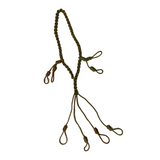
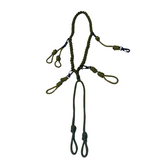
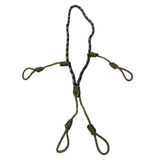
- A quality lanyard that hangs multiple calls at different drops
- Keepers to keep calls from banging and clacking while we move
- Simple reed protectors or caps to help keep moisture off during boat rides or long walks
Clean, dry calls stick less in that cold, damp air that settles over early fall water. Nothing ruins a finishing flock like a stuck reed right when we need one gentle quack.
Along with calls, many hunters lean on training whistles, steady early-season decoy spreads, and solid dog gear. A calm, focused retriever that stays quiet in the blind keeps the whole scene low pressure so our careful calling work pays off.
Practice Strategies to Match Real-World Calling Conditions
We can practice in a way that matches the mornings we hunt. That starts with going outside at dawn or dusk and listening. The air is heavier, sounds carry differently, and the background noise is closer to what birds hear. Calling in that air gives us a better feel for how our notes travel.
Try this simple practice routine:
- Start with 5 minutes of basic quacks or honks, focusing on smooth air
- Then 5 minutes of greeting calls or cluck-and-moan series at medium volume
- Finish with 5 minutes of very soft calling, barely moving air through the call
Recording ourselves from different spots helps too. Set a recorder or phone downwind, call from different ranges, then listen back. We often hear sloppy notes, rough breaks, or sudden jumps in volume that we do not notice in the moment.
Common mistakes on calm, windy mornings include:
- Over-calling birds that are already pointed at the hole
- Running fast cadences when flocks are moving slow and easy
- Letting volume jump up and down as the wind changes
The fixes are simple. When bird body language shifts, we back off. We shorten our sequences. We think more about smooth, steady air control than speed or fancy tricks. The goal is not to show off. It is to sound like relaxed, real birds on the water.
Put Your Calling Edge to Work This Fall
When we stop fighting the wind and calm air and start working with it, our waterfowl hunting calls become a real edge. By tuning volume, tone, and cadence to what the morning gives us, we move from flaring birds to finishing birds. Calm, breezy days that once felt tough start to feel predictable.
This is also a good time to look over our setup before those first teal flights or mid-season duck pushes. We can ask ourselves: do our calls cover both sharp and soft sounds, are our lanyards and call care items set up for fast, quiet changes, and is our dog gear ready so our retriever can mark and retrieve without adding extra noise or stress to the blind? When our tools match our plan, every calm, windy morning has a better chance to turn into a full strap.
Upgrade Your Calling Game for More Successful Hunts
If you are ready to sound more realistic in the blind and bring more birds into range, we can help you choose the right waterfowl hunting calls for your style and conditions. At HuntEmUp Outdoors, we focus on proven gear that delivers consistent results, whether you are a new caller or a seasoned hunter. Browse our selection, then reach out through our contact page so we can answer questions and help fine-tune your setup.