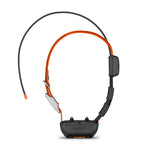
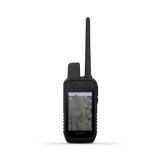
Evaluating Hunting Dog GPS Trackers for Multi‑Day Trips
Keep Your Dog Safe on Multi-Day Hunts
A long upland or waterfowl trip can change fast. One minute the sky is clear, the next minute a cold front rolls in, fog drops, and your dog vanishes in thick cover. By late September, with shorter days and more hunting pressure, it is easy to lose visual contact when birds are moving and everyone is pushing hard.
That is where a hunting dog GPS tracker stops being a nice gadget and becomes safety gear. When you are miles from the truck, with tired dogs and weather coming in, you need to know exactly where your dog is, not where you hope they are. A good system helps you stay calm, hunt smart, and get every dog back to camp at night.
Here we will walk through what matters most for multi-day trips, like range, battery life, maps, and durability, so you can trust your setup on extended hunts. We spend a lot of time in the field ourselves, and we build our gear selection around the demands of backcountry and multi-state travel, where failure is not an option.
Core Features That Matter on Multi-Day Trips
Battery life is the first thing to think about. A hunting dog GPS tracker that looks great on paper does not help much if it dies halfway through day two.
For longer hunts, pay attention to:
- How long the collar and handheld run when left on all day
- Power-saving modes and adjustable update rates
- How many collars you plan to track at once
Shorter update intervals give you tighter tracking, but they eat battery faster. On a 3- to 5-day trip, it often makes sense to slow the update rate when dogs are working close, then speed it up when they range out. Plan ahead by bringing:
- Backup battery packs
- Vehicle chargers for truck camps
- Charging cradles that stay set up back at camp
Range is the next big piece. The range printed on the box is usually based on best-case conditions, such as flat ground and a clear line of sight. Real life looks more like timber, coulees, cattails, or marsh.
Things that affect range and signal:
- Hills and canyons blocking line of sight
- Trees, brush, and buildings
- Heavy rain, wet snow, and storm clouds
A tall, straight antenna on both collar and handheld usually does better than a short one. Carry the handheld high, not buried in a pack under clothing. A chest harness, shoulder strap, or top pocket can help keep the signal clean.
Mapping and tracking tools make a huge difference on multi-day hunts, especially on public land or new ground. Some systems only show a basic breadcrumb trail. Others offer detailed topo maps, land ownership layers, and offline maps.
On longer trips, strong mapping helps you:
- Mark camp, parking spots, and boat launches
- Save favorite fields, blinds, and coves
- Track where each dog has already covered
At night or in thick fog, being able to zoom out, see your dog’s icon, and see your truck or camp waypoint can be the difference between a quick recovery and a long, stressful search.
Durability, Weather, and Comfort in Harsh Conditions
Multi-day hunts are hard on gear. Collars get bounced around in kennels, scraped on rock, and hammered by brush. Look for:
- IP-rated water resistance that can handle rain, snow, and marsh water
- Sealed buttons and ports to keep mud and grit out
- Shock resistance for bumps, drops, and dog impacts
Reinforced collars, strong buckles, and solid mounting points help keep the unit on your dog when they are plowing through cattails or working rocky ridges. You do not want a collar snapping or slipping loose halfway through a trip.
Temperature swings also matter. Fall cold snaps, early snow, and freezing rain can all pull battery life down. Screens can get slow or hard to read in the cold. Bright sun can cause glare during early season hunts, while dawn, dusk, and late-night recoveries call for a screen you can read in low light without blinding yourself.
Before a big trip, we like to:
- Check the maker’s temperature range
- Test the system in similar weather at home
- Adjust brightness and backlight settings for day and night
Comfort for the dog is huge, especially when they wear the collar 8 to 12 hours a day. A collar that fits poorly can rub, shift, and even interfere with signal.
Pay attention to:
- Correct fit, snug but not choking
- Collar weight on smaller dogs
- Strap material and any rough edges
Work your dog in the GPS collar on training days and shorter hunts before that big week-long trip. Rotate between two straps if you can, and check your dog’s neck every night for chafing, mud buildup, or broken hardware.
Comparing Systems for Different Hunting Styles
Not every hunting style needs the same setup. A hunting dog GPS tracker that shines in prairie upland hunting might not be the best fit for flooded timber.
For upland, HPR, and big-running dogs, you will want:
- Longer tracking range
- Faster update rates when dogs push far out
- Clear directional arrows and zoomable maps
If you run multiple dogs, good multi-dog tracking and clear screen layouts help you tell who is where and who is on point. Lightweight collars with strong antennas hold up better to briars and thick grass without dragging dogs down.
Waterfowl and marsh hunts bring different problems. Dogs are often:
- Swimming behind cover
- Hidden by reeds, cattails, and brush
- Working in cold, wet conditions all day
Here, top-level waterproofing is key. Bright collar colors can help in low light or when a dog pops up in open water. Strong GPS reception matters when the dog disappears in flooded timber or across a wide bay. Tone or vibration features can be useful when you need quiet handling on blind retrieves.
For mixed terrain or multi-species trips, flexibility is everything. You might spend one morning chasing grouse in the woods, the afternoon in a cornfield, and the next day in a river bottom or marsh.
Look for systems that offer:
- Easy map switching between cover types
- Simple mode changes, such as tracking versus training features
- Clear dog profiles for different setups and collars
It also helps when your GPS unit works smoothly with other gear, like training collars, beepers, or mounts, so your setup stays clean and simple instead of turning into a tangle of devices.
Real-World Planning for Multi-Day GPS Use
Good gear only helps if it is set up right before you roll out. Give yourself at least a week to get everything dialed in.
Before a big trip, we suggest:
- Updating software, firmware, and maps
- Pairing every collar and testing each one
- Checking that the maps you need will work offline
Preload waypoints for camp, access points, parking, blinds, and likely fields. That way you are not trying to punch them in on a cold, windy morning with gloves on.
Power planning might sound boring, but it keeps your trip running. Count:
- How many collars you will run
- Average hours per day in the field
- How often you can get back to a truck or cabin to charge
Bring enough chargers, power banks, and cords so that if one fails, you are not stuck. Store your handheld, chargers, and spare antennas in padded, dry cases so a bump in the road or a splash of water does not end your trip.
It is also smart to have a backup plan in case electronics quit. Reflective collars, sturdy ID tags, and written contact info on each dog are still important. Electronics are tools, not magic.
Warranties, replaceable parts like antennas and batteries, and overall build quality matter for long-term value. A better system that lasts many seasons of hard multi-day hunts usually pays off compared to swapping out weak units over and over.
At HuntEmUp Outdoors, we focus on hunting dog GPS systems, training gear, and accessories that stand up to real field use. Our goal is the same as yours: safer dogs, smoother hunts, and more confidence every time you load up for the next big trip.
Keep Your Hunting Dog Safe and on Track Every Trip
Equip your dog with reliable technology so you always know where they are and can focus on the hunt. At HuntEmUp Outdoors, we offer trusted Garmin options for every budget, starting with the right hunting dog GPS tracker for your needs. If you have questions or want help choosing the best setup for your dog and terrain, contact us and we will walk you through your options.