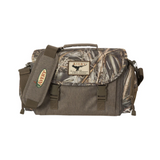
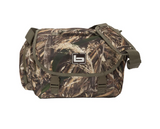
Why Your Duck Hunting Blind Bags Shape Your Dog’s Work
Pack Smart, Hunt Better: How Your Bag Shapes Your Dog
How we pack a blind bag changes how our dogs work. It affects how fast we send them, how calm they sit, and how focused they stay when birds are dropping in. A good duck hunting blind bag is not just a place to toss shells and snacks. It becomes the command center for every hunt.
Early teal season and the first big duck split are great times to see this in action. When our gear is easy to reach, we give fewer late commands, we move less, and we keep our eyes on our dog and the sky. In this article, we will walk through layout, safety gear, training routines, and the kind of premium equipment that helps a retriever stay steady, sharp, and safe in the blind.
How Blind Bag Layout Impacts Your Dog’s Focus
A messy blind bag teaches bad habits. When we dig, shuffle, and zip at the wrong time, our dogs notice. That extra motion right before or after a volley can make even a steady retriever bounce, whine, or creep.
A cluttered bag often means:
- Loud zippers right as birds finish
- Fumbling for the whistle or e-collar transmitter
- Extra arm motion that pulls a dog’s eyes off the sky
- Slow sends and slow casts that confuse the dog
When our layout is clean and repeatable, the dog learns that our hands mean something clear. We are not yanking shells out of the same pocket as the treats. We are not spinning around trying to find the heeling stick. Instead, we move with a calm pattern the dog starts to trust.
We like to keep key items in the same place every single hunt:
- Whistle and lanyard in one top pocket
- E-collar transmitter in a side pocket with easy access
- Heeling stick or short lead clipped in the same spot
- Bumpers in a dedicated compartment
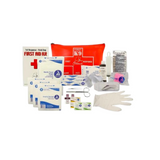
- First-aid kit in a sealed, quiet section
With a smartly built duck hunting blind bag that has internal dividers and quiet fabric, we can grab what we need without looking down. That keeps our eyes on the dog, our body still, and our timing sharp. Over time, the dog reads this rhythm and settles into it.
Packing for Safety: Gear That Protects Working Dogs
A retriever in the marsh is an athlete, but even strong dogs get cut, chilled, or worn down. What we keep in the blind bag can make the difference between a quick fix and a ruined hunt.
Every early season bag should include:
- Basic canine first-aid kit
- Vet-wrap or cohesive bandage
- Blood-stop powder or gel
- Eye rinse for seeds, mud, and debris
- Paw balm for stubble fields and rocky banks
- Written emergency contact info in a dry pouch
As the weather cools, we add a few more items for comfort and safety:
- Lightweight space blanket or backup dog vest
- Extra towel to dry a wet dog between flights
- Electrolyte or energy supplements approved by your vet
- Collapsible water bowl with fresh water, even on cool days
Here in the Midwest and Great Lakes regions, mornings can start mild and get cold and windy fast, especially on open water. Dogs burn energy in that chop, and cold mud or ice can sneak up quicker than we think.
We also like a few risk-management pieces ready to go:
- Reflective collar strap for pre-dawn walks
- Spare ID tag or slip-on collar band
- Extra e-collar strap and fresh batteries
When all of this has a fixed place in the bag, we do not waste time in the dark. If a dog comes back with a cut pad or cloudy eye, we know exactly which pocket to open.
Building Consistent Dog Work Through Bag Routine
Dogs love patterns. When we use the same duck hunting blind bag and pack it the same way every hunt, we build a set of cues the dog can read. That lowers anxiety and cuts down on breaking.
A simple hunt routine might look like this:
- Set the blind or layout, then place the bag in the same spot
- Take out whistle, transmitter, and lead in the same order
- Send the dog to a place board or mat
- Quiet wait, then a short bumper toss for focus
Those few minutes before legal light can either be chaos or calm training. Using only items from the bag, we can do:
- Quick sit and here reps with whistle
- A couple of short, straight marks with a bumper
- Reward with a calm pat or small treat from a dedicated pocket
After the hunt, the bag helps finish the job. We grab the towel, wipe the dog down, check eyes and feet, and use the first-aid kit if needed. That post-hunt ritual tells the dog, “Work is over, now we rest.” It connects directly back to off-season training days, so the dog feels like the hunt is just another familiar session, only with more ducks and more noise.
Choosing the Right Bag for Waterfowl and Your Dog
Not every bag fits the way we hunt or the kind of dog we run. When we look at premium duck hunting blind bags, we like to think about how each feature helps us handle the dog.
Helpful bag features for dog work include:
- Rugged but quiet fabric that does not crackle when we move
- Easy-access outer pockets sized for transmitters and whistles
- Waterproof or water-resistant sections for meds and electronics
- Solid zippers or buckles that can be opened with gloves
Carry style matters too. If we are handling a strong retriever in mud, a backpack style can free both hands for leash, gun, and dog. A shoulder bag may ride better in a boat where we want it in reach but off the floor. Sling bags can be handy for long walks into flooded timber, keeping weight close to the body.
At HuntEmUp Outdoors, we focus on gear that ties all of this together. The right blind bag can match up with leads, bumpers, training tools, and dog-care items so the whole setup works as one clean system from early teal to the last split.
Turn Your Blind Bag Into a Better Dog Tool This Season
Before the next opener, it is worth dumping the bag on the floor and starting fresh. Old shells, snack wrappers, leaky bottles, and random tools all add noise and confusion.
A quick blind bag tune-up can follow a simple checklist:
- Strip out anything you have not used in recent hunts
- Designate dog-only pockets for training tools and safety gear
- Stock and label a small canine first-aid kit
- Set a pre-hunt routine using only items that live in the bag
- Test your setup during teal season or a few training days
When we treat our duck hunting blind bags as part of the training plan, not just storage, our dogs feel it. Sends get cleaner, sits get sharper, and retrieves stay safer. At HuntEmUp Outdoors, we are all about that kind of thoughtful setup, where every pocket and every tool in the bag helps our retrievers do their best work in the marsh.
Gear Up For Your Most Organized Hunt Yet
Stay focused on the birds instead of digging through clutter by upgrading to our purpose-built gear solutions. Explore our curated selection of duck hunting blind bags designed to keep calls, shells, and essentials right where you need them. If you have questions about capacity, features, or what setup is best for your style of hunting, contact us and we will help you choose the right fit. At HuntEmUp Outdoors, we are ready to help you streamline your blind setup for your next hunt.