Gear Choices for Puppy Retriever Training That Pay Off in Season
Training a young retriever is a lot more fun when we set them up to win. The right gear keeps things clear, safe, and low-stress for both of you. When we match tools to our goals, our pup grows into a steady hunting partner instead of a confused dog that only half understands the job.
In this article, we walk through how to pick gear for puppy retriever training that actually pays off once the first birds start falling. We will line up your plan, your dog’s age and attitude, and your hunting style so you spend time and money on tools that matter in the blind and in the field.
Start Your Puppy Retriever Training with a Plan
Before we talk about bumpers and collars, we need a simple roadmap. Think about what you want your puppy to be ready for by that first real hunting season. Common goals include:
- Solid basic obedience: sit, here, heel
- Calm behavior around excitement, people, dogs, birds, gunfire
- Happy, confident retrieves on land and in water
Next, think about how you actually hunt. Your gear plan for flooded timber is not always the same as wide open fields or big water. Ask yourself:
- Do you mostly hunt waterfowl from boats, blinds, or layout spots?
- Do you walk miles in upland cover with fast flushes and lots of movement?
- Do you spend time on big game, where the dog mostly needs steadiness and tracking control?
Finally, match the gear to who your pup is right now. A soft-mouthed, sensitive puppy often needs gentler tools and slower steps. A bold, hard-charging pup may need sturdier gear and more control early on. When we line up goals, hunting style, and personality, it gets much easier to pick what belongs in the training bag.
Building Reliable Basics with Smart Everyday Gear
Daily gear shapes daily habits. The simple stuff we use every day does a lot of the heavy lifting.
A good flat collar, a sturdy leash, and a check cord are the first tools we reach for. For puppy retriever training, we like:
- Adjustable collars that will fit as your dog grows
- Tough material that handles water, mud, and brush
- A 20-to-30-foot check cord for controlled freedom
That check cord is gold for teaching recall, heel, and staying close in the field. The pup feels free, but you still have a handle when they get distracted.
Whistles and clickers help your timing. Pick one whistle tone, stick with it, and pair it with clear commands. A clicker or quick marker word, like “yes,” tells your pup the exact moment they did the right thing. This makes training faster and less confusing.
Place boards and crates build calm in the middle of chaos. A raised place board teaches your puppy to stay put when things get exciting, like bumpers flying or birds flushing. A solid crate, whether in the house or in the truck, gives them a safe den to rest and reset between sessions and on the drive to early training spots.
Bumpers, Birds, and Dummies That Build Real Hunting Skills
Once basics are coming along, it is time to build real retrieving skills. That starts small.
Soft puppy bumpers are perfect for young mouths. They are lighter and easier to grip so your pup learns to love carrying things without chewing or dropping. As they grow, you can bring in more realistic tools.
We like to mix up bumpers as the dog gets older:
- Canvas bumpers for scent and a soft feel
- Rubber bumpers for toughness in water and mud
- White or high-visibility bumpers for water and low light
- Darker colors for fields, brush, and cover
Bird intro tools are a big step toward real hunting. Dokken-style dummies, loose wings, and later thawed birds teach your dog how a bird feels, smells, and moves. Used right, these tools help shape a clean, gentle mouth that carries ducks, geese, and upland birds without crushing or playing keep-away.
Introducing E Collars and Tech the Right Way
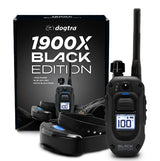
E-collars are powerful tools, but only if the pup already understands the rules. We never start with an e-collar on a puppy that does not know sit, here, and heel on a leash. Once those basics are clear, a low-level collar paired with pro-level guidance can turn soft reminders into steady habits at distance.
For big fields, dove hunts, or early teal season, GPS tracking tools can be a real safety net. Curious young retrievers can push past safe ranges fast. A GPS collar lets you know where they are if they vanish into tall grass or thick cover.
Remote launchers and wingers come later, when your puppy has the basics down and is ready for more advanced marks. These tools help you set up:
- Hidden marks behind cover
- Multiple falls from different angles
- Marks combined with gunfire or duck calls
This kind of practice makes the jump to real hunts much smoother.
Water and Weather Gear That Protects Young Retrievers
Water work is where many retrievers really shine, but we still want safety first. Start with warm-weather water sessions and a snug-fitting dog life vest. Practice climbing in and out of boats, dog stands, and banks with simple bumper retrieves so none of it feels scary when the wind and cold roll in.
Ground blinds, stands, and dog hides are great for teaching patience. A stable dog stand keeps a young retriever out of icy water and puts them where they can see birds and guns in a safe way. Dog blinds and hides help them learn to sit tight until they are sent, instead of creeping out into the decoys.
Cold-weather protection matters too. Neoprene dog vests help hold body heat on those long sits in late-season winds. Keeping a few absorbent towels in the truck or boat lets you dry your dog between sets, which goes a long way toward keeping them comfortable and healthy across long days.
Turn Today’s Gear Choices Into Tomorrow’s Season Wins
Now it is time to link everything together. Start with a short checklist tied straight to your training plan:
- Obedience tools: collar, leash, check cord, whistle, place board
- Bumpers and bird tools: puppy bumpers, canvas and rubber, wings or Dokkens
- E-collar and tech: GPS, launchers if you are ready for advanced work
- Water and weather protection: life vest, dog stand, blinds, neoprene vest, towels
Lay out a simple progression. Introduce one new piece of gear in a calm session at home or in a quiet yard. Once your pup looks comfortable, bring that same gear into more exciting spots with light distractions. As fall gets closer, slowly add gunfire, boats, blinds, and real hunting partners.
At HuntEmUp Outdoors, we focus on gear that actually helps you turn that wiggly puppy into a confident retriever in the field and on the water. When we plan ahead, pick tools that fit our dog and our style of hunting, and use them with steady, weekly training, the payoff shows up on opening day with clean marks, strong returns, and a dog that clearly loves the work.
Build a Confident Retriever Puppy With Proven Gear and Guidance
If you are ready to give your young dog the best start, explore our puppy retriever training essentials designed to build skills step by step. At HuntEmUp Outdoors, we focus on practical tools and methods that keep training fun while setting clear expectations for your pup. We are here to help you choose the right gear and answer questions so you can train with confidence. If you would like more personalized guidance, please contact us and we will be glad to assist.