Elevated Dog Feeder Choices That Actually Help Hunting Dogs
Stronger hunting dogs often start with simple things, like how they stand at the food bowl. An elevated dog feeder might not seem as exciting as a new shotgun or a fresh spread of decoys, but it can make a real difference in how a dog feels before and after a hunt. When a dog can eat and drink in a comfortable posture, it can help with digestion, joint comfort, and steady energy through long days in the field.
In this article, we will walk through how an elevated dog feeder works, when it truly helps, and how to pick the right setup for a serious gun dog. We will keep it simple, practical, and focused on what actually matters when the alarm goes off long before daylight and your dog has to perform.
Stronger Hunting Dogs Start at the Food Bowl
On a cold morning in a marsh or a cut corn field, every ounce of your dog’s strength matters. That first retrieve through icy water or that long cast into thick CRP draws on everything your dog did at home: how they ate, how they recovered, and how their joints feel.
Many hunters spend hours on training drills, gear layout, and scouting, but almost no time on the way their dog eats. A low bowl that makes a tall dog crouch and stretch again and again can add small bits of strain every single day. Over a long season, those small bits start to add up.
With the right elevated dog feeder, we can:
- Support a more natural neck and back position
- Make eating and drinking feel calmer and less rushed
- Help aging or hard-hunted dogs avoid extra stress after work
Next, we will look at why feeder height matters, and how it connects to real performance in the blind and in the uplands.
How Elevated Dog Feeders Impact Hunting Performance
When a feeder is at a better height, the dog does not have to reach down as far to eat or drink. For a tall retriever or pointing dog, that means less bending through the neck and spine. This can feel especially good after a long day of breaking ice, climbing into boats, or pounding through cattails.
Here is how a raised feeder can help performance and comfort:
- Less stretching to reach food and water, which takes pressure off neck and back
- More relaxed stance while eating, which can support steadier breathing and calmer chewing
-
Easier access to water after a hunt, so the dog can drink without awkward angles
Feeding in a more natural posture can also support better digestion. When a dog gulps food fast from an awkward angle, it can lead to discomfort, gas, or that heavy, sluggish feeling. A calmer, more comfortable stance often means:
- Slower, smoother eating
- Less tossing of kibble out of the bowl
- Better post-hunt recovery when paired with a good performance diet
Daily wear and tear is a real concern for hard-driving dogs. Repeated crouching over low bowls, day after day, stacks on top of jumps, retrieves, and icy water entries. For older, large-breed, or heavily worked dogs, an elevated dog feeder can be one small way to ease that load.
When an Elevated Dog Feeder Helps and When It Doesn't
Not every hunting dog needs a raised feeder. Some are built low and compact and move easily in tight ground cover. For others, especially big, tall dogs, elevation can feel like a relief.
Dogs that often benefit most include:
- Large retrievers with long legs and heavier frames
- Tall pointing breeds that naturally stand upright at rest
- Senior dogs that show signs of stiffness or arthritis
On the other hand, many smaller, more compact sporting breeds can do just fine with standard bowls on the ground, especially if they show no signs of joint soreness or trouble getting up and down.
Health concerns matter too. There are different veterinary views on raised bowls and stomach issues like bloat. That is why it is smart for hunters to talk with a vet before making big changes, especially if:
- The dog has a history of stomach problems
- There are existing orthopedic issues
- The dog has had prior injuries to neck, back, or shoulders
Lifestyle also plays a part. A dog that hunts or trains several days a week, rides in trucks and boats, and sleeps in crates or kennel runs is taking on extra stress. Late in the season, when birds are thick and weather is rough, those stresses stack up. An elevated feeder in that situation can be another way to help the dog stay comfortable.
Choosing the Right Elevated Feeder for Your Gun Dog
Getting the height right is the first step. A simple way to size a feeder is to measure from the ground to the lower part of your dog’s chest, then pick a feeder height close to that number. Many hunters like adjustable stands, because:
- Young dogs are still growing
- Households may have more than one dog
- You can fine-tune height as the dog ages
Materials matter in muddy kennels, garages, and hunting trailers. Common options include:
- Metal stands that are sturdy and add weight so they do not tip
- Heavy-duty plastic systems that resist rust and are easy to wipe down
- Wood stands that look good but need more care to stay clean and dry
For bowls, we usually prefer stainless steel. It is easy to clean, holds up to daily use, and does not hang on to odors like some plastics. For active hunting dogs, it helps to have:
- Non-tip or wider-bottom bowl shapes
- Enough capacity for higher calorie meals
- Deep water bowls for heavy drinking in warm training months
An elevated dog feeder should feel solid when a big dog leans into it. Wobbly stands or slick bottoms can spook some dogs or lead to spills, which nobody wants on the way out the door before daylight.
Field-Ready Elevated Feeding Setups for Hunting Season
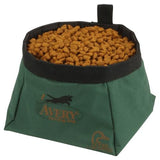
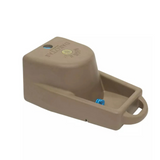
Many hunters end up with two systems: a sturdy setup at home and a portable setup on the road. At home, a stable stand in the kennel, mudroom, or garage keeps bowls at the same height every day. On the road, lighter or collapsible designs fit better in trucks, boats, and small lodge rooms.
When we work through fall and into late season, weather becomes a big part of the feeding plan. Cold, wet ground can make a dog stiff, and frozen dirt or concrete is no place for a food bowl. A raised feeder helps keep:
- Food and water off ice and snow
- Bowls cleaner when things get sloppy
- Dogs from standing in puddles while they eat
Feeding also connects to training routines. A set time and place for elevated feeding can help mark the start and end of the workday. Many hunters like to:
- Feed after a cool-down from morning conditioning runs
- Offer water breaks with raised bowls between training sets
-
Keep evening meals calm so dogs rest well before the next hunt
When the feeding setup is dialed in, the dog can refuel and recover with less fuss and less strain, which adds up over a long, busy season.
Upgrade Your Dog’s Feeding and See the Difference in the Field
A simple change at the food bowl can support better digestion, easier joints, and more even stamina through the heart of hunting season. For hard-charging retrievers and upland dogs, an elevated dog feeder is one more tool that fits alongside quality food, smart conditioning, and thoughtful training.
At HuntEmUp Outdoors, we spend our time around working dogs and the hunters who rely on them. We know how much goes into keeping a dog ready for those big pushes in late October and November. Taking time to assess your current feeding setup, measure for proper height, and match a feeder to your dog’s size, workload, and travel habits can pay off every time you slip into the blind or step into a frosty field before sunrise.
Support Your Dog’s Health With a Better Feeding Setup
If you are ready to improve your dog’s comfort and digestion, explore how an elevated dog feeder can fit into your daily routine. At HuntEmUp Outdoors, we focus on gear that works hard in real homes and hunting camps, so you can trust it to stand up to everyday use. If you have questions about sizing, materials, or what works best for your dog, just contact us and we will help you choose with confidence.