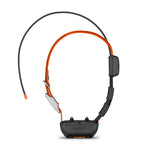
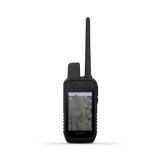
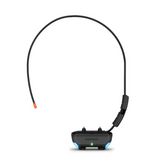
Harnessing a Hunting Dog GPS Tracker on All-Day Casts
Keeping Dogs Safe and Productive on Big All-Day Casts
Turning a high-drive bird dog loose on big country is one of the best parts of fall. Early sharptails on short grass, prairie chickens in rolling hills, teal buzzing over a wide marsh, it all calls for a dog that can stretch out and hunt hard from dawn to dark. Long casts mean more ground covered and more bird contacts, which is exactly what we want.
But long casts also bring risk. Thick cover, hills, cattails, standing crops, all can hide a dog in seconds. Wind shifts, birds flush wild, and in one quick moment that bell or beeper is out of hearing. That is where a hunting dog GPS tracker steps in as the main tool that keeps everything tied together, from safety and control to smart, efficient dog work all day.
Why All-Day Casts Need Better Tracking Tools
On early- and mid-fall hunts, many of us like to let dogs roll out. In open prairie or big marsh country, it is easy for a driven dog to push a few hundred yards out. A bell or beeper that worked on a short training walk suddenly feels small when wind is in your face and cover is chest high.
A long day only makes this tougher. Both hunter and dog start sharp at first light. By late afternoon, it is different. We get tired, our hearing gets dull, and we miss a whistle here or a hand signal there. A dog that was steady in the morning might start to shade wider or cut corners as it tires.
Traditional tools can struggle when:
- Cover is thick and sound does not carry
- Wind flips and pushes noise the wrong way
- Light gets low and you lose visual contact
-
The terrain is new and you do not know every draw or ditch
With a good hunting dog GPS tracker, you cut out a lot of guesswork. You know where your dog is at last light. You know if that dog is working forward or drifting back. You know you are not hiking away from a dog locked on point in a pocket of cover. That means you can hunt harder, but still stay inside your own comfort level for control and safety.
Core Features to Look for in a Hunting Dog GPS Tracker
When we talk about GPS tracking for serious hunting, we are not talking about a simple pet tag. We are talking about tools built for wide-open country, wet marsh edges, and thick CRP where bird dogs and duck dogs actually work.
Key features that matter in the field include:
- Real-time position updates so you know where your dog is, not where it was
- Clear distance and direction readouts you can read fast without digging through menus
- Mapping that shows terrain, cover, and your own track so you stay oriented
- A communication range that holds up in timber, rolling hills, and cattails
All-day hunts put extra stress on gear. Battery life has to last from first light to last legal shooting light. Collars need to be waterproof for marshes, wet grass, snow, and creek crossings. The strap and antenna should stay put when dogs hit fences, tight brush, or thick willows.
For serious dog handlers, advanced options are worth a close look:
- Multi-dog tracking for running two or more dogs
- Integrated training functions on certain systems
- Adjustable update rates to balance detail with battery life
- Compatibility with handheld units or smartphone apps, depending on how you like to hunt
When these pieces come together, your tracking system becomes a hunting partner, not just another gadget.
Smarter Handling and Training with GPS Data
A good GPS collar does more than keep you from losing a dog. It also shows you how that dog actually hunts. After a long cast, you can look back at the track and see where the dog worked hot, where it drifted too wide, or where it spent time in dead ground.
Over time, that helps you shape better dog work. You can notice patterns, such as:
- Spots where your dog always finds birds
- Areas where the dog blows past likely cover
- Times of day when range gets too big or too tight
- Points where the dog slows down or stops without reason
During the hunt, real-time GPS info helps with quick choices. If the collar shows your dog is on point or stopped for a bit, you can swing downwind and move in smart instead of wandering around calling. If the dog has been covering unproductive ground at the edge of its range, you can use the tone or whistle sooner and keep the hunt tighter.
As we learn each dog’s natural pace and reach, we can time our whistle and e-collar cues better. We start to build a steady rhythm, where the dog runs at a distance that fits the cover, and we step in at the right time instead of guessing. That kind of teamwork turns a long day into a smooth one.
Seasonal Strategies for Fall Hunts with GPS Collars
Late September and early fall can be tricky. Mornings can be cool, but afternoons heat up. Grasses are tall, crops are often still standing, and dogs can vanish fast in corn, CRP, or cattails. This is when a hunting dog GPS tracker really proves its worth on those first big trips of the season.
With GPS data, you can manage energy and avoid burning out a good dog too early. You can:
- Watch how far a dog runs in each hour
- Notice when speed or range drops with fatigue
- Decide when to rotate dogs before they get sloppy
- Swap the GPS collar between dogs so you always know where the active dog is
As days get shorter, safety after sunset becomes a bigger concern. Good GPS units offer mapping and track-back functions so you can follow your own path back to the truck. You are less likely to wander into unsafe ground, posted land, or deep water you did not plan to cross. Most important, you can confirm no dog is left behind in standing crops or a hidden slough as light fades fast.
Choosing the Right GPS System for Your Style of Hunting
Every hunter runs dogs a little differently, and that should guide which GPS system you pick. Some of us spend our fall on upland birds in open fields and prairie. Others split time between ducks in the marsh and pheasants in thick cover. Some want simple tracking only, while others want tracking and training in one unit.
At HuntEmUp Outdoors, we pay attention to how real hunters use their dogs through a full season. Our goal is to help you match a hunting dog GPS tracker to your own style, not force your hunting to match a device. For many teams, that also means pairing GPS collars with the right training tools, tracking collars, and waterfowl gear so the system works from that first cast at sunrise to the last retrieve at dusk.
When we can turn our dogs loose with confidence that we will always know where they are, we hunt better, relax more, and let those dogs do what they were born to do: run big and find birds all day long.
Keep Your Hunting Dog Safe and On Track This Season
Equip your dog with a reliable hunting dog GPS tracker so you always know where they are and can focus on the hunt. At HuntEmUp Outdoors, we carefully select tracking systems that stand up to tough terrain and demanding conditions. If you have questions about which option is best for your dog or hunting style, contact us and we will help you choose the right setup.