Fix Blind Retrieve Issues With a Check Cord: Lining, No-Go, Shopping
Turn Blind Retrieve Frustration Into Reliable Control
Blind retrieves can fall apart fast. One dog blows off the line into the weeds, another glues to the handler and will not go, and a third grabs every bumper in the field except the one we need. All three problems waste birds and put a lot of stress on both handler and dog.
A simple dog training check cord can make a big difference. It gives us just enough control to shape behavior while keeping drive and confidence high. Used right, it becomes the bridge between easy yard drills and real hunts in marshes, crop fields, and river edges.
Here at HuntEmUp Outdoors, we like to use late summer for this kind of tuneup. In this article, we will walk through step-by-step drills for three common blind problems: lining, no go, and shopping, and how to fix each one with a check cord before teal and early goose seasons hit.
Setting up Safe, Effective Check Cord Sessions
Before we work blinds, we need the right setup. The dog training check cord should be long enough to control the dog without getting tangled all the time. For most retrievers and most yards, a cord in the 20 to 30 foot range works well.
- Low-burn material that slides in your hand without cutting skin
- Little or no stretch, so corrections are clean and clear
- Solid hardware that can handle a hard-charging dog
Safety comes first every time. Set up on flat, open ground to start, like a mowed pasture, sports field, or clean training area. Pick up trash, sticks, and anything the cord might snag on.
A few simple habits help:
- Use gloves, especially with strong dogs
- Attach to a flat collar or snug harness, never to a choke device
- Keep the cord behind or to the side of the dog, not looped around legs
Keep the sessions short so the dog stays sharp. Work one problem at a time for 5 to 10 minutes, then break. End on a win, even if you have to make the last rep very easy. Pressure should be fair and quick, then gone the moment the dog makes the right choice.
Straight Lining Drills for Confident Blinds
Lining means the dog takes a straight line from our hand toward the fall or blind and holds that line until we stop or handle. The dog may not see the bird, but trusts our send and drives straight. When lining is loose, dogs fade to scent, old falls, or the nearest fun thing in the field.
Start simple with visible bumpers.
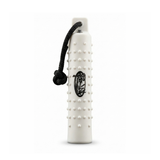
- Place 3 to 5 white bumpers in a dead straight line in low cover
- Heel the dog 10 to 20 yards away, facing the pile
- Clip on the check cord and let it trail behind the dog
Now run the drill:
- Line the dog up, hand over head, and give your “Back” cue.
- As the dog leaves, let the cord slide through your hand with no tension.
- If the dog drifts left or right, give a quick, firm check on the cord straight back to the line, then instantly release.
The timing matters more than the strength of the pop. The correction is not a yank. It is a clear reminder: stay on this path. The second the dog re-commits to the line, all pressure stops and we praise at the pile or on the return.
Progress by:
- Stretching distance to 40, 60, then 80 yards
- Adding light cover or a mild crosswind
- Moving from visible piles to simple cold blinds on known ground
As the dog gets reliable, touch the cord less. Eventually you can run with the cord just dragging, then remove it completely on that same easy ground.
Fixing No-Go and Hesitation on Blinds
No-go happens when the dog sits, creeps, or freezes instead of leaving on the send. It often shows up after pressure on steadiness or casting. On real hunts, this means lost birds while we fight our dog at the line.
To fix it, we want “Back” to always mean “go now, with effort.” Keep the setups very easy at first.
- Short distance, 10 to 20 yards
- Low cover, simple, no big distractions
- Dog at heel on sit, check cord clipped to the collar
Run the drill:
- Line the dog, then give your send, either “Back” or the dog’s name.
- At the same moment, step forward with your body.
- If the dog hesitates or crouches, give a light, sharp pop on the cord straight toward the mark.
The goal is not speed or style at first. We just want the dog to break the sticky spot and commit to going. As soon as the dog takes off, we relax, praise on the return, and repeat.
To rebuild confidence:
- Mix fun, visible marks between blind reps
- Shorten distance if you see repeated hesitation
- Keep your voice calm, no yelling or anger
Over time, the dog learns that hesitation brings a clear correction, and going on the first command brings praise and more retrieves. When sends look crisp and automatic, start running some reps with the cord trailing but no help, then no cord at all.
Stopping Shopping with Commit-to-Object Drills
Shopping happens when a dog grabs one bumper, drops it, then hunts around for a different one, or just roams the area switching objects. For hunting, that can mean dropping a crippled bird to chase another or losing the only bird that matters.
We want the dog to commit to the first object found and bring it straight back. The check cord keeps us connected without needing to be right next to the dog.
Set up a small area, maybe the size of a living room, with several bumpers:
- White bumpers, orange bumpers, and maybe one canvas
- Spread them a few feet apart in short grass
- Dog starts 10 to 15 yards away with the cord attached
Run the drill:
- Send the dog with a simple “Back” or name.
- As soon as the dog picks up the first bumper, quietly give your “here” command.
- If the dog tries to drop and grab another, use the cord to guide the dog gently but firmly toward you.
Make it clear with your actions:
- Coming back with the first bumper earns praise and another send
- Dropping or switching gets no praise, just a calm reset
- If shopping continues, calmly heel the dog away, pick everything up, and make the next rep easier
Later, add difficulty by:
- Mixing in a real duck or Dokken with bumpers
- Adding light cover such as clover, stubble, or short weeds
- Running the same drill in different fields or near water edges
As the dog understands the rule, you will need the cord less. You can still leave it trailing now and then as a reminder, especially before big hunts or when adding new factors.
From Yard Drills to Opening Day Confidence
Late summer is a great time to bring all this together. A simple plan might look like this:
- Two or three short sessions a week
- Rotate focus, one day lining, one day no-go, one day shopping
- Keep each problem to a focused block, then end with an easy fun mark
When things look good, start fading the dog training check cord. First, let it drag with no-handler contact on ground the dog knows. Then run without the cord in controlled fields. Finally, add hunting layers, decoys, calls, waders, maybe even live flyers or popper shots once the basics hold.
At HuntEmUp Outdoors, we see how much calmer handlers are when they have done this kind of work ahead of time. A simple check cord, the right bumpers, and solid dog training gear can turn those frustrating blind retrieves into steady, reliable work when the first teal buzzes the spread and the early geese start locking up.
Take The Next Step Toward Better Dog Training Results
Upgrade your training sessions with a reliable dog training check cord designed to give you better control and clearer communication with your dog. At HuntEmUp Outdoors, we focus on gear that supports real progress in the field and in the backyard. If you have questions about choosing the right setup for your dog, contact us and we will help you get started.