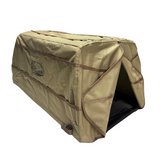
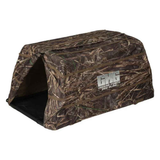
Understanding Hunting Blind Setup for Changing October Winds
A smart hunting blind setup starts with the wind, especially in late October. Cooler air, passing fronts, fading leaf cover, and shifting food sources can change how deer, ducks, and other game move from one hunt to the next.
At HuntEmUp Outdoors, we encourage hunters to prepare for those changes before opening light. With a few possible blind sites ready, you can match your setup to the wind, protect your scent, use natural cover, and adjust dogs or decoys without turning a good morning into a rushed scramble.
Turn October Wind Shifts Into Better Hunt Plans
Late October does not reward a one-blind mindset. A permanent blind may look great on the property, but it is not always the right place to hunt when the wind changes. The best location is the one that keeps you hidden while fitting the conditions of that morning or afternoon.
Before the season gets busy, we recommend identifying several likely areas. Look at travel routes, feeding spots, water edges, bedding cover, and waterfowl landing zones. Then think through which sites work with different wind directions.
A simple plan may include:
- One blind option for north or northwest winds
- One setup for south or east winds
- A backup location for calm or swirling conditions
- Quiet access routes for each possible site
That preparation saves time when you arrive. Instead of forcing the hunt from a favorite blind, you can choose the location that gives you the best chance to stay unnoticed.
Read October Wind Patterns Before You Set Up
A daily forecast is helpful, but hourly wind direction and speed tell a much better story. October fronts can shift the wind between dawn and midday. A light breeze near sunrise may become a stronger crosswind once the day warms, especially around open fields, marshes, timber edges, ridgelines, and ponds.
Conditions at the property matter more than conditions listed for the nearest town. Wind can bounce off standing crops, roll over hills, swirl through timber, and change direction around brush lines. That is why we suggest checking the air movement where you plan to sit, not just when you step out of the truck.
Lightweight wind indicators can show what is really happening at blind height and along an animal’s expected approach. Milkweed fluff, dry grass, or a small wind checker can reveal whether your scent is drifting into a trail, across a water edge, or safely away from the area you expect game to use.
Pay attention to more than one spot:
- Test the wind at the blind location
- Watch how air moves near trails or landing zones
- Check low areas, where scent may settle
- Recheck after the sun rises or the wind picks up
If the wind changes for a few minutes, there may be no need to panic. If it stays wrong and carries scent directly into the main approach, it may be time to use one of your backup sites.
Choose Cover That Breaks up Your Outline
Natural cover can make a blind disappear into the setting, but only when it matches the area around it. October colors are often brown, gold, gray, and faded green. A blind covered in bright summer vegetation may stand out once the surrounding plants have changed.
Brush, grasses, cattails, fallen limbs, and remaining leaves can help break up straight lines and hard edges. In marshes, cattails and wetland grasses often make sense. Along timber, bark-toned material, leaves, and small branches may blend better. The goal is not to pile on as much cover as possible. Too much material can block shooting lanes, scrape in the wind, or make noise when you move.
Concealment also depends on what happens inside the blind. Organize calls, shells, binoculars, snacks, and dog gear before game appears. Keep windows as small as practical, and sit back from openings so your face and body do not create a sharp silhouette. Dark, non-reflective clothing inside the blind can also help reduce contrast.
Match Cover, Sun, and Approach to the Wind
Wind direction should guide how you expect game to approach. For deer, that often means setting up downwind or crosswind of trails and feeding areas, so your scent does not blow into the route. For waterfowl, consider how birds will finish into the wind and what they will see as they work toward the decoys.
Sun angle deserves the same attention. Low October sunlight can shine straight through a blind window, light up your face, or create glare on a gun barrel and optics. When possible, we like the sun behind or beside the blind rather than directly in front of it. Morning and evening setups may need different thinking because the sun changes sides of the sky.
Your route into the blind can protect or ruin the setup. Avoid walking across feeding areas, bedding cover, and likely game trails. Use field edges, creek beds, terrain breaks, or established paths whenever they let you slip in quietly and keep your scent away from the spot.
Before settling in, review these four angles:
- Where the wind carries your scent
- Where the rising or setting sun will hit the blind
- Where game is most likely to approach
- How you can enter and leave with minimal disturbance
Make Wind-Ready Adjustments Before Opening Light
Not every wind shift requires moving the entire hunting blind setup. Sometimes a small change works. You may be able to switch seats, close one window, use another shooting opening, move a few decoys, or shift a dog platform to keep the setup better hidden. First, make sure the wind is truly putting scent into the expected approach instead of simply crossing open ground.
When the wind consistently blows from the blind straight into a main trail, feeding area, or landing zone, a move may be the smarter choice. Keep that move quiet and deliberate. Repeatedly dragging blinds, trampling cover, and walking through the area can create more trouble than the wind itself.
For waterfowl hunters, retriever placement and decoy spacing should work with the new wind direction. Keep the dog concealed, comfortable, and clear of shooting lanes. Set decoys so birds have a visible opening to finish into, while giving the dog a safe, clean path for retrieves.
HuntEmUp Outdoors carries blinds, retriever gear, training equipment, field essentials, and outdoor supplies that can help you prepare for changing conditions before the season is in full swing. The more ready your gear and alternate locations are, the less you need to disturb a productive spot when the weather turns.
A good October plan stays flexible from the forecast through the final minutes of shooting light. Check the wind, verify it on the ground, choose the right prepared site, and make only the changes that conditions truly demand.
Get More Confidence From Every Blind Location
At HuntEmUp Outdoors, we offer options that help you tailor your hunting blind setup to the terrain, cover, and visibility you need. Explore MaxCam Max View blinds for practical concealment and a clearer view of the woods. If you need help choosing the right model, contact us for guidance.