Deciding on a Hunting Dog GPS Tracker Before Big Trip Season
Keep Your Dog Safe and Found on Every Fall Hunt
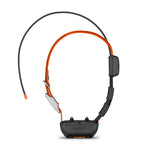
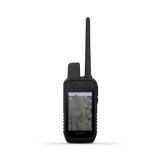
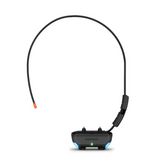
A hunting dog GPS tracker is one of the most useful tools we can carry into fall. It keeps your partner safe, saves time in the field, and lets you focus on birds instead of worrying about where the dog disappeared. When big trip season hits, most of us are hunting harder, going farther from home, and asking more from our dogs.
Fall means early waterfowl openers, long upland road trips, and late-season days when the wind bites and cover is thick. Dogs run bigger in cool air, birds are wilder, and we often hunt places we barely know. In tall grass, cattails, or timber, a dog can be out of sight in seconds. A GPS collar turns “I hope I see him again soon” into “I know exactly where he is,” which is a much better feeling when the light fades and the truck is still a mile away. We will look at why fall is when a hunting dog GPS tracker matters most, what features to look for, how it works with training, and how it stacks up against old-school bells and beepers.
Why a Hunting Dog GPS Tracker Matters Most in Fall
Big trip season is also big risk season for dogs. As days get shorter, we spend more time hunting in the dark edges of the day. That is great for ducks and geese, but tough for eyes and ears.
In October and November, a lot changes at once:
- More pre-dawn and last-light hunts, when you can barely see the dog
- New marshes, public tracts, and CRP that hide dogs and hazards
- Cooler air that pushes dogs to run harder and farther
- More trucks, roads, and other hunters in popular spots
A hunting dog GPS tracker lets you see your dog’s real-time location, direction, and distance instead of just guessing. When ice breaks, a dog hits a beaver channel, or vanishes into cattails, every second counts. You can walk straight to your dog, not wander in circles. It also helps when dogs tangle with things we all dread, like porcupines, barbed wire, or thin ice on a back bay.
It is not only about safety. A GPS collar can make hunting better:
- Watch how your dog works cover so you can read patterns
- Mark where birds fall, even on long water retrieves
- Walk to a dog on point or sitting on a long blind without calling
Over a season, you start to see how far your dog likes to range, where you find birds most often, and which corners of a field are worth hunting again. That kind of quiet information is hard to get any other way.
Core Features to Look for in a Hunting Dog GPS Tracker
Not every tracker is built for serious hunting. The right system has to keep up with long days, rough cover, and cold, wet weather.
First, think about tracking technology and range. A true hunting dog GPS tracker gets its location from GPS satellites, not just cell towers. Cell-only trackers can struggle in the kind of remote marshes and prairie we all love to hunt. Many hunting units use GPS and sometimes extra satellite support so you can still see your dog in wide open country or deep timber.
Keep an eye on:
- Realistic range, not just the number on the box
- How often the collar updates location, called refresh rate
- How clear the map or dog icons look when you glance quickly
Fast refresh rates matter when a dog is busting cattails, slipping through willows, or racing across open stubble. Slow updates can make you think the dog is standing still when it is already 200 yards farther out.
Ruggedness, battery life, and weather resistance are just as important. For serious hunting, we want:
- Fully waterproof collars for icy marshes, flooded timber, and surprise drop-offs
- Long battery life that covers all-day walks and back-to-back hunts
- Tough casings that handle mud, brush, and rough truck rides
-
Antennas and straps that do not snag every time the dog hits a fence row
Finally, think about real-world usability. Big glove-friendly buttons, clear screens in bright sun, fog, or snow, and simple menus matter a lot at 5 a.m. when your hands are cold. Multiple-dog tracking and custom dog names are helpful if you run more than one dog or hunt with a crew. Alert tones or vibration on the handheld can quietly tell you when a dog goes on point or reaches a set distance.
Training, E-Collar Integration, and Handling in the Field
Many serious waterfowl and upland hunters like systems that combine GPS and training features in one unit. With an integrated GPS and e-collar, you can see your dog and handle your dog from the same handheld.
That setup lets you:
- Correct creeping or breaking on the line while still watching your map
- Nudge a dog back into range without yelling across a quiet field
- Reinforce whistle or voice commands when you see the dog drifting toward a road or property line
Pre-season is the time to get both of you comfortable with the collar. Start using it weeks before big trip season. Run it on training ponds, along CRP edges, in timber, and in stubble. Watch your dog’s track and notice how it naturally works the ground. This helps you set clear rules about how far is too far and when you expect recall.
Build simple routines:
- Same collar position every time
- Same cue for recall and stopping
-
Same response from you when the dog pushes closer to hazards
On real hunts, the GPS tools open up even more options. Use waypoints to mark:
- Downed birds, especially long water retrieves or wild flushing roosters
- Blinds and boat ramps in the dark or heavy snow
- The truck, so getting back after a long day is simple
Distance alerts can warn you before a dog over-ranges in strange country. In a duck blind or layout spread, one handler can quietly watch the handheld while others focus on working birds and calling shots.
Comparing GPS Trackers to Bells, Beepers, and Old-School Methods
Bells, beepers, and whistles have put a lot of birds in the bag, but they have limits, especially in big fall cover. Bells and beepers only help if you can hear them. Wind, waves, other hunters, and long distances can drown out sound fast.
Traditional cues also fall short when:
- Grass, cattails, corn, or timber hide a dog even at close range
- You are hunting into the wind and cannot hear the bell
- You need to keep things quiet around wary geese or ducks
A hunting dog GPS tracker shows you exactly where the dog is even when you cannot see or hear anything. That means less stress, less blind shouting, and less walking in big circles. It also lets you handle more quietly. You can walk toward your dog instead of calling it all the way back, which can leave coveys untouched and birds relaxed.
Another bonus is history. Many GPS systems store tracks so you can see where your dog hunted, where contacts happened, and which areas stayed dead. Over time, this gives you a personal map of how cover, crops, and birds change across the season.
Some hunters still like to mix methods. A light bell or soft beeper plus GPS can give a quick sound check while the tracker provides exact position. Late-season waterfowl hunters may rely mostly on GPS with almost no audible cues to keep the spread calm. In both cases, GPS does not fight old tools; it adds precision and safety on top of what you already know.
Get Your Dog Dialed in Before the First Big Trip
The main key is timing. Do not wait until the night before a long October or November road trip to unbox a hunting dog GPS tracker. Give yourself and your dog time to learn it when the pressure is low.
A simple pre-trip checklist helps:
- Check collar fit and comfort during training days
- Fully charge and then note how long batteries really last for you
- Update maps or software if your system uses them
- Run one or two full training hunts while using every feature you plan to use on the trip
Think about how you actually hunt: mostly waterfowl, mostly upland, or a mix of both. Consider how many dogs you run and what kind of ground you prefer, like marsh, prairie, timber, or farm country. From there, you can match your needs to the right hunting dog GPS tracker system. At HuntEmUp Outdoors, we live for this kind of gear and big-trip season, and we know how much better it feels when you never again wonder where your dog went in the dark or the cattails.
Keep Your Hunting Dog Safe And On Track Every Trip
Equip your next hunt with a reliable hunting dog GPS tracker so you always know exactly where your dog is working. At HuntEmUp Outdoors, we focus on proven gear that keeps dogs safer and makes handlers more confident in the field. Explore our curated options to match your hunting style and your dog’s needs. If you have questions about features or setup, contact us and we will help you choose the right solution.