Decoding Hunting Dog GPS Trackers for Multi‑Dog Hunts
Keep Every Dog in Sight on Your Next Big Hunt
A hunting dog GPS tracker keeps every dog on your radar, even when you cannot see them. When birds are moving, guns are hot, and the cover is thick, it is easy to lose track of one dog while you are working another. That is when safety worries creep in, shots get rushed, and retrieves get missed.
On a busy late-October hunt, one dog might be driving through icy cattails for a cripple while another is pushing the edge of gun range in the fog. Your eyes and ears can only cover so much. A GPS collar gives you a live map of the chaos so you know which dog is where, what they are doing, and how far they have gone.
Think of it like a digital check cord on every dog in the field. A hunting dog GPS tracker protects your team, helps you handle cleaner, and keeps big group hunts running smoother. We will break down how these systems work, the features that matter for multi-dog hunts, how to pick a setup, and how to run it smart in both waterfowl and upland.
How Hunting Dog GPS Trackers Actually Work
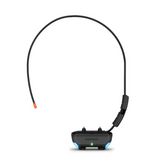
A GPS collar talks to satellites in the sky and then sends your dog’s location to a handheld device or phone. As the dog moves, the collar keeps updating its position, so you see a moving icon on your screen. You get distance, direction, and often speed, all in near real time.
There are two main styles of units:
- GPS-only collars that track but do not correct
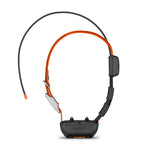
- GPS plus e-collar combos that let you track and train from the same handheld
With combo units, the tracking side and training side work together but stay simple. You follow the dog on the screen, then if you need to nick, tone, or vibrate, the controls are right there on the same device. That keeps you from juggling gear while you are trying to shoot, call, and handle.
Real hunting brings real signal challenges. Thick cattails in a northern marsh, tight timber on public land, rolling prairie grass that hides a wide-running flusher, or a cold front squall rolling through, all of that can cut line of sight. When you choose a unit, it helps to pay attention to:
- Antenna design on both collar and handheld
- Update rate, how often the dog’s position refreshes
-
Map quality for wetlands, tree cover, and open country
Cold, wet weather is another piece. Late-October hunts can start below freezing and stay damp all day. Battery performance drops in the cold, so a good hunting dog GPS tracker should hold enough charge for long mornings, midday scouting, and another hunt in the evening without leaving you blind.
Must Have Features for Multi Dog GPS Tracking
Multi-dog capacity is the first big feature to look at. Serious waterfowl and upland hunters often run more than one dog, or hunt with friends who do. You want a screen that can:
- Track several collars at once
- Assign dog-specific colors or icons
- Show distance and direction without scrolling through long menus
Range and update speed are not just specs on a box; they are about safety and performance. A hard-running pointer near a road, a lab pushing into a strong current, or a flusher rolling toward another group, all of those moments call for fast info. The closer to real time those updates are, the faster you can whistle, tone, or call the dog off trouble.
Alerts help a lot when multiple collars are active. Useful options include:
- Point or treed alerts, when a dog stops and holds
- Bark detection for tracking noisy dogs in heavy cover
- Geofencing or proximity alarms so you know when a dog hits a boundary
- Custom tone or vibration patterns set for each dog
Durability is the last thing you want to learn about the hard way. Late October means icy water, frozen mud, and crusty snow in many areas. For that kind of hunting, it makes sense to pick gear with:
- True waterproof ratings for marshes and flooded fields
- Impact resistance for brush-busting upland dogs
- Big, glove-friendly buttons you can run with cold fingers
Choosing the Right GPS System for Your Dog Team
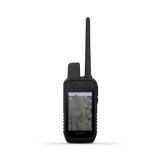
Most hunting dog GPS tracker setups land in one of two styles: a dedicated handheld that talks straight to the collars, or collars that link through your smartphone. Each has its own strengths.
A handheld unit works well when:
- You hunt remote spots with weak cell service
- Several handlers need to see the same dog list
- You want fewer apps and distractions in the blind or field
Phone-based systems can be handy for:
- Quick map scrolling on a bigger screen
- Syncing with base maps you already use for scouting
- Lighter pockets when you are walking far
Think about your team too. A close-working retriever in the decoys uses the system differently than a wide-ranging pointer or flusher in rolling grass. Look for a setup that lets you:
- Set different update rates, fast for big-running dogs, slower for close workers
- Tailor alerts for pointing dogs versus retrievers
- Share dog info between handlers when you split up to cover more ground
Good mapping turns your GPS unit into a scouting tool as well as a safety net. Helpful map features include:
- Topo lines so you can read ridges and draws for upland
- Water features for marshes, back bays, and beaver ponds
- Property boundaries so you can stay clear of private ground
When you think about budget, focus on room to grow instead of only what you need today. Many hunters start with:
- A starter setup for one or two dogs
- An expandable system that can add collars as new dogs come along
- Options that can temporarily track friends’ dogs on big-group hunts
Smarter Setups for Safer, More Efficient Group Hunts
A little prep the night before keeps the chaos down when the first flock swings the spread or when roosters start flushing at first light. Solid pre-hunt steps include:
- Charging every collar and the handheld fully
- Labeling or color-coding collars so each dog always wears the same one
- Assigning unique tones and vibrations per dog
- Preloading maps for the exact marsh, field, or prairie you plan to hunt
For group hunts, agree on a simple plan. Decide who is the primary handler on the GPS and which dogs each person is responsible for. One person might:
- Watch the far-ranging dogs on the screen
- Call out distances and directions when birds are not working
- Manage alerts so they do not distract other shooters
Training with the GPS pays off too. Tone or vibration plus position lets you quietly:
- Cast retrievers on blind retrieves without yelling across the water
- Nudge a pointing dog off running birds or pull them off a property line
- Reinforce whoa, here, or kennel without blowing every duck in the county out of the marsh
Do not forget simple safety checks. Before each hunt, get in the habit of:
- Confirming collar fit when dogs also wear vests, leashes, or beeper collars
- Checking for interference with radios or other electronics in the blind or truck
- Talking through a lost dog plan that uses track history and last known location
Gear up Your Dogs for the Next Big Flight
As peak late-fall dates approach, it helps to think through where you tend to lose time or control with multiple dogs. Maybe you spend half the morning whistling for a flusher in tall grass, or you lose track of which dog is working a cripple in thick reeds. Those gaps are exactly where a hunting dog GPS tracker can steady the day.
A simple way to start is to put a collar on your hardest-running or most independent dog for training days and early-season hunts. Get comfortable reading the screen, using tones, and trusting the track. As you see how much smoother your hunts feel, it becomes easier to add more collars and bring the whole team into the system so your dogs are ready when the big flights and crowded fields hit later in the season.
Keep Your Hunting Dog Safe and On Track Every Trip
Equip your dog with a reliable hunting dog GPS tracker so you always know where they are, even in the thickest cover. At HuntEmUp Outdoors, we carefully select gear that stands up to real-world hunting conditions and keeps your partner protected. If you have questions about which system is right for your dog or hunting style, contact us and we will help you choose with confidence.