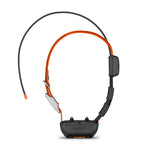
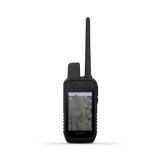
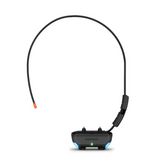
Evaluating Hunting Dog GPS Trackers for Big Country Hunts
Trusting Your Dog in Big Country Without Losing Track
A hunting dog GPS tracker matters most when the country gets big, the cover gets rough, and your dog disappears over the next ridge. Out West in October, that happens fast. One minute the dog is working close in a sage flat, the next it is deep in a broken draw or timbered canyon, chasing scent that you will not see from the truck. You want to let that dog roll, but you also want to bring it home safe, every single time.
That is the real pull for upland and big-game hunters. We love a dog that runs big and uses the land, but we hate that cold knot in the gut when the bell goes quiet or the beeper fades out. A modern hunting dog GPS tracker is not just another gadget. It is a safety tool, a training tool, and a time saver that lets us hunt with more confidence when days are short, weather turns quick, and more folks are in the field. At HuntEmUp Outdoors, we live for those big-country days and focus on gear that has been worked hard in real conditions, not just on a screen in a store.
Key Features That Matter in a Hunting Dog GPS Tracker
When you pick a hunting dog GPS tracker, a few features really decide how it will work in the field.
Range and signal reliability
Advertised range is one thing, real range in broken country is another. Canyons, coulees, thick timber, and hills all cut that number down.
Key range points to think about:
- Big, open prairie with rolling draws
- Steep canyons with rock walls
- Heavy woods or tall CRP grass
- Wet marsh edges and river bottoms
Some systems use GPS only, others pair GPS with radio signals. Radio can help push through cover and around bends better than GPS alone. If you run close-working retrievers, you may not need as much reach. If you run wide-ranging pointing dogs or hounds that may be out of sight for long stretches, longer and more stable range starts to matter a lot more.
Battery life and power management
October days can start in the dark and end in the dark. Your collar and handheld both need to last.
- All-day battery life at a reasonable update rate
- Power-save or sleep modes when the dog is still
- Adjustable update rates so you can trade detail for time
- Honest performance in cold weather when batteries tend to sag
Late in fall, when temps drop and wind picks up, weak batteries show up fast. A good setup keeps reporting and does not die just as your dog pins a covey half a mile away.
Mapping, screen visibility, and interface
Maps matter when the country is new to you. Preloaded topo maps, satellite-style images, and breadcrumb trails help you follow where your dog has been and find your way back to the truck.
It helps if the handheld offers:
- Clear topo lines for ridges, draws, and benches
- A bright, sunlight readable screen
- Buttons that work with gloves and cold fingers
-
Fast access to tone, vibrate, and correction
When birds are flushing or a track heats up, simple menus and quick buttons beat any fancy feature that is three screens deep.
Evaluating Durability and Reliability for Harsh Hunts
Big country is hard on gear. Collars and handhelds get soaked, slammed, and dropped.
Rugged construction and water resistance
Look for real water resistance ratings and think about where you hunt. That can mean:
- Dogs busting through wet cattails and sloughs
- Repeated river crossings and creek jumps
- Wet snow and cold rain blowing sideways
Collars and handhelds should shrug off splashes and short swims. Antennas need to bend, not snap, when dogs brush rocks or fences. The handheld should ride well in a vest or pack without catching or banging around all day.
Signal performance in real terrain
Canyons, steep hills, timber, and tall grass all play games with signals. A good hunting dog GPS tracker keeps a lock as often as possible. Systems that talk to both GPS and other satellite networks or use radio along with GPS usually hang onto the dog better in rough ground. It is worth paying attention to real field feedback from bird hunters, houndsmen, and waterfowlers who work in the same kind of country you do.
Weather and seasonal considerations
October can feel like two or three seasons in one day. You might start in frost, climb into warm sun, and walk back out in freezing drizzle. Electronics need to keep working when they are wet, cold, and muddy. Buttons should still have feel with gloves on. Collars that shed mud and do not hold ice are easier to rinse off in a stock tank or creek and put right back into service the next morning.
Safety, Training, and Hunting Efficiency Benefits
The right hunting dog GPS tracker does more than show a dot on a screen.
Dog safety and recovery
Features that help keep your dog safe include:
- Geofencing or warning zones near roads or property lines
- Lost-dog modes that focus on finding a missing collar
- Last-known-location so you are not guessing where to start looking
- LED beacon lights and tones for low light or fog
These tools matter when a dog slips over a ridge, when shooting pressure pushes animals and dogs farther, or when you run multiple dogs in big, open country.
Training integration and control
Many systems combine GPS tracking with e-collar tools. Tone, vibrate, and stimulation tied to what you see on the screen make your timing sharp. You can:
- Reinforce recall at range
- Steady pointing dogs without yelling
- Stop a chase before it gets out of hand
- Shape how a young dog casts and checks in
Seeing your dog’s track helps you read patterns and adjust your handling. You can build independence without losing control.
Hunting efficiency and bird-finding power
Tracking collars show how much ground a dog has covered and where it has been. That helps you:
- Avoid reworking dead ground
- Hit untouched edges and side hills
- Mark coveys, roosts, and hot draws as waypoints
- Build a hunt log across the whole season
When you are not guessing where the dog is, you can focus on shooting, reading the wind, and covering the best habitat. That matters on limited vacation days in big, wild country.
Comparing Systems and Matching Gear to Your Hunt Style
Not every hunter needs the same setup.
Single-dog vs. multi-dog systems
If you run one all-around dog, a simple single-dog system may be enough. If you plan to add a pup or run a string of pointers or hounds, look for:
- Higher collar capacity
- Clear color coding and dog names on the screen
- Fast switching between dogs for tone or correction
Big-country hunters often start with one dog, then end up with a team. A system that grows with you saves headaches later.
Standalone GPS vs. smartphone-linked systems
Some trackers use a dedicated handheld that works anywhere the satellites reach. Others lean on Bluetooth or cell coverage and talk through a phone app. Phone-based systems can struggle in remote Western or far North country where service drops out. Smartphone tie-ins are great for post-hunt maps, track sharing, and notes, but a strong standalone handheld should be your primary tool when you are far from town.
Budget, support, and upgrade path
Different systems bring different levels of range, map detail, number of dogs, and training tools. It pays to think about how you hunt now and where you want to be in a few seasons. Brand support, firmware updates, and easy access to parts like antennas, chargers, and replacement collars all matter when something breaks mid-season. At HuntEmUp Outdoors, we focus on GPS and dog training gear that has been worked hard by upland, waterfowl, and big-country hunters, and we help match setups to specific hunting styles and species.
Gearing up Your Dog for Big Country Success
Before the heart of fall hits, it is worth doing a full gear check. Boots, vest, shotgun, and especially your tracking and training setup all deserve a hard look. If you have a big October or November trip planned in wide-open prairie, Western draws, or deep forest country, a reliable hunting dog GPS tracker should be near the top of the list.
Take time to compare key features, think about single-dog versus multi-dog needs, and consider how GPS plus training tools could make your hunts safer and more productive. When you choose the right system, you are not just buying electronics. You are buying the confidence to let your dog roll in big country and hunt the way it was bred to hunt, while knowing you can always bring it back to the truck at the end of the day.
Track Every Hunt With Confidence and Protect Your Dog
Keep your dog safer in the field with gear that lets you see where they are and what they are doing in real time. Explore our curated selection to find the hunting dog GPS tracker that fits your training style and hunting terrain. At HuntEmUp Outdoors, we only offer equipment we trust, so you can focus on the hunt instead of worrying about losing your dog. If you have questions or want help choosing the right system, contact us and we will walk you through your options.