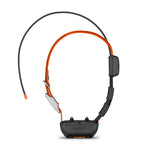
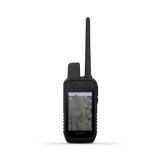
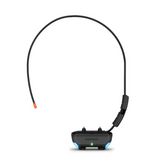
Questioning Hunting Dog GPS Trackers in High-Pressure Public Land
Rethinking Tech Reliance on Public Hunting Grounds
Running dogs on public land during peak fall is a different world. Parking lots are packed, shots ring out from every direction, and there are dogs and people in places you never saw them in early season. In that mess, a hunting dog GPS tracker feels like the one thing that keeps your heart from living in your throat.
But there is a hard question we need to ask: does that GPS collar really make us safer and more effective out there, or does it tempt us to let our guard down? When we stare at a screen, we stop reading the wind, the cover, and other people. We stop watching our dogs the way good dog handlers always have.
Here at HuntEmUp Outdoors, we love good gear, but we also spend a lot of time on crowded public ground ourselves. So we want to walk through how GPS helps, how it can hurt, and how serious waterfowl and upland hunters can run tech without losing woodsmanship or control.
What High-Pressure Public Land Really Demands
High-pressure public land is not your quiet back forty. It looks like:
- Full parking lots and trucks stacked down the road
- Gunfire all morning, not just at first light
- Field edges pounded daily by boots and paws
- Hikers, dog walkers, and bird watchers mixing with hunters
That extra pressure changes the risk for our dogs. One wrong cast and a dog can:
- Cross a property line into ground that is off limits
- Cut through another hunter’s spread or walk-in field
- Hit a road, trail, or parking lot at full speed
On big private ground, you may let a dog roll big and wide and still be safe. On small, chopped-up public parcels, a dog can be out of safe range in seconds, GPS or not.
So we need to read the ground first, not the screen. Wind direction, cover thickness, pinch points, ditches, and access paths all tell us how far we should let a dog work. When pressure is heavy, the ground also smells wilder: more boot scent, more dog scent, more crippled birds and running roosters crossing lines. Many dogs respond by ranging wider, pushing harder, or following off-limits game.
Good public land hunting means we shorten the leash, at least in our heads, long before we clip on any electronic collar.
The Promise and Pitfalls of Hunting Dog GPS Trackers
A hunting dog GPS tracker offers real comfort. Used well, it provides:
- Real-time location when your dog slips into cattails or timber
- Track logs to study how your dog patterns a field or a marsh
- Tone or vibration options to cue a trained dog at a distance
- Recovery help if a dog gets disoriented in fog, snow, or darkness
The hidden trouble shows up on public land. It is easy to let “screen safety” push your dog’s range farther and farther. If we can see the dog on a handheld, we may:
- Let a dog swing past the next property line
- Trust a map more than our ears and eyes
- Spend more time looking down than watching for other hunters
Tech has limits. Thick timber, steep draws, tall CRP, or deep cattails can mess with satellite signal. Cold weather steals battery life. Long days, wet conditions, and other electronics in the blind can all affect performance.
There is also a courtesy piece. When people see a GPS collar on your dog, they may assume that dog is going to run big and possibly cross into “their” cover. On crowded public ground, that shapes how they feel about your setup and your choices.
A GPS system is a tool, not a fix. It works best when it backs up strong training, clear whistle and voice control, and firm range limits that you stick to no matter what the screen says.
Safety, Ethics, and Courtesy When Everyone Has a Dog
Safety is still the main reason many of us strap GPS units on our dogs. There are spots where the gear really shines, like:
- Road-heavy units with lots of access and traffic
- Marshes with deep water, current, or early ice
- Thick cattails and chest-high CRP where a dog can disappear fast
In these places, GPS helps us react quicker if something feels wrong. But there is a trap here too. If we trust the screen more than the sound of other shots, voices, or vehicles, we can walk a dog right into danger while we think we are “managing” things.
On public land, ethics and manners matter just as much as safety. Just because we can see our dog marching toward another hunter’s spread on the map does not mean it is okay to let it happen. Cutting through someone else’s decoys or cover line ruins their hunt and gives dog hunters a bad name.
We also have to keep local rules in mind. Wildlife agencies, leash laws near trailheads, or special-use rules can all limit how and where a dog is allowed to run, GPS collar or not. Some tracking systems beep or chime, so we should keep noise low in crowded marshes or small walk-in fields. Quiet tones or vibration and good training beat loud alerts that carry across water.
The smart move is to use GPS data to steer trouble away, not into it. If we see likely parking areas, main paths, or classic setup spots on the map, we can turn our dogs before they bump into someone else’s hunt.
Training First, Tech Second on Public Ground
No GPS collar can fix a dog that does not listen. On pressured public ground, basic obedience has to be rock solid. That means:
- Recall that cuts through gunfire, running birds, and other dogs
- Sit and heel that hold up around strangers and gear piles
- Calm behavior at the truck, boat ramp, and trailhead
Range control is another big piece. Many of us run a “public land range” that is tighter than what we allow on private. We teach this with whistle work, hand signals, and e-collar where it is legal, long before opening day. When the dog hits a certain distance, we nick, tone, or whistle it back until that pattern is second nature.
Distraction training matters more than any app. Before the season, it helps to work dogs:
- Near light foot traffic, like quiet trails or club grounds
- Around gunfire from safe distances, such as a range area
- With decoys, calls, and dummy spreads out in front of them
GPS can still play a smart role here. After a hunt, we can review tracks and see where the dog tends to creep too far, where birds flush, and which pockets of cover we skipped. That information shapes our training plan far better than guessing from memory.
Smarter GPS Use for Waterfowl and Upland Seasons
Not every hunt needs the same tech plan. A late-October public marsh hunt before sunrise is different from a midday walk-in upland cover.
GPS is usually a strong asset when:
- We are in big cattail marshes or flooded timber
- We are working river islands or long shorelines
- We are on large public tracts with tricky or unclear borders
- We are hunting solo or with multiple dogs in heavy cover
Shorter days, cold air, and late-season brush bring their own challenges. Batteries drain faster in the cold. Wet, heavy coats can change collar fit, so a loose GPS or e-collar can slide or rub. Low light also makes it hard to stare at a screen without missing what is happening right in front of us.
On tiny parcels near busy roads or packed trailheads, less screen time is usually smarter. In those spots, our eyes, ears, and voice should do most of the work, with GPS sitting in the background as a backup, not the main guide.
We like to think in layers instead of one magic item. A GPS unit is one layer. Others include:
- Reflective or high-vis collars and vests
- Name plates or ID tags with current info
- Steady obedience and clear whistle cues
At HuntEmUp Outdoors, we build our personal setups around that layered idea. The hunting dog GPS tracker supports what we and our dogs already know, instead of taking over the hunt.
Hunt Public Smarter, Not Just More Wired
The real question is not “GPS or no GPS?” The better question is, “Are we hunting and running our dogs in a way that respects public land, other people, and our dogs’ safety?”
High-pressure ground demands tighter handling, stronger obedience, sharper awareness, and thoughtful use of every tool we clip on a collar. A good hunting dog GPS tracker can help us bring our dogs home and make better choices, but it does not replace judgment, training, or simple respect for others who share the same spots.
At HuntEmUp Outdoors, we care about that kind of hunter. The one whose dogs are under control when parking lots are jammed, whose gear works as a system, and whose choices show care for the birds, the land, and everyone else trying to enjoy it.
Keep Your Hunting Dog Safe And On Track This Season
Choose a reliable hunting dog GPS tracker so you always know where your dog is, even in the thickest cover. At HuntEmUp Outdoors, we stock trusted gear that helps you train smarter and hunt more confidently. Explore the options that fit your dog and hunting style, and reach out if you want help comparing features. If you have questions or need personalized guidance, simply contact us.