Hunting Dog Crate & Vehicle Setup: Ventilation, Tie-Downs, Temp Monitoring
Early mornings and long road miles are part of chasing teal, geese, and early ducks. How your dog rides on those drives has a direct effect on how they work when you finally slip the boat in or walk into a field. A smart crate and vehicle setup keeps your gun dog safer, protects their body, and helps them show up sharp instead of drained before shooting light.
We will walk through simple questions you can ask about your current setup before you back out of the driveway. By looking at crate safety, ventilation, tie-downs, and temperature monitoring, you can turn your truck or SUV into a safer, calmer place for your dog to rest between hunts. At HuntEmUp Outdoors, we live in this world of hunting dog kennel supplies and field gear, and we care about keeping working dogs going strong over a whole season, not just one good day.
Smarter Travel Setups That Keep Your Gun Dog Working Longer
On many early teal or goose trips, the longest part of the hunt is the drive. Your dog might spend more hours in the crate than in the marsh. That time can help them recover or it can wear them down.
Before each big road trip, ask yourself: is my crate and vehicle setup helping my dog rest or making things harder? Poor airflow, weak tie-downs, and bad access do not just risk injury, they also affect:
- Stamina over a multi-day hunt
- Scenting ability when a dog gets too hot or stressed
- Joint health when they slam around in a loose crate
- Overall attitude when every ride feels rough and loud
We want our dogs stepping out of the kennel ready to work, not stiff, anxious, or overheated. A little planning on the front end can make a huge difference.
Is Your Crate Really Safe for Highway Speeds?
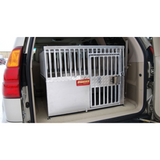
Not all crates are built for the same job. A basic wire crate that works in the house often is not the best choice in the back of a truck. Field-grade travel kennels are built with stronger walls, tighter door gaps, and more secure latches to handle sudden stops and rough roads.
Good questions to ask here are simple but honest:
- How would this crate hold up in a hard brake or rollover at highway speeds?
- Could the door latch shake loose under long miles of vibration, dust, and mud?
- Is the kennel sized so the dog can stand and turn, but not fly like a rocket in a crash?
Tie-downs matter as much as the kennel itself. A strong crate that is not anchored is just another heavy object in a wreck. When you set your kennel in the truck bed or cargo area, think about:
- Using rated straps or turnbuckles, not old bungee cords
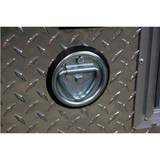
- Clipping to molded tie-down points or solid handles on the kennel
- Anchoring to factory bed or cargo hooks instead of loose sheet metal or racks
- Keeping a clear “crash zone” around the kennel so decoys, blinds, and coolers are not missiles
Early fall trips often mean the truck is jammed full of gear. Take a minute to stack things low and secure, leaving your dog a protected pocket instead of building a wall of hard edges around the kennel.
Are You Getting Enough Airflow Without Overexposure?
Heat sneaks up fast on early season road days. A dog that just worked a warm marsh, then rides home in a stuffy crate, can be in trouble even when the air feels nice in the cab. Ventilation is not just about how many holes a kennel has, it is about how air can move around the whole setup.
Run through a few key questions:
- Can air flow freely around the kennel or is it jammed between totes and coolers?
- Are the vent holes pressed tight against a truck bed wall or camper shell?
- If you use an SUV or van, is there cross-breeze, or does warm air get trapped at the back?
- Can you block some vents on cold days without sealing in heat on warm afternoons?
Different vehicles change the airflow picture:
- Open truck beds give plenty of air but add sun, rain, and wind exposure
- Bed caps and toppers cut direct wind but can trap hot air without extra fans
- SUVs and vans protect from weather but need fans or open windows for fresh air
Hunting dog kennel supplies built for this balance can really help. Ventilated yet insulated kennels, small fan kits that clip to crate doors, raised platforms that let air move under the kennel, and simple wind barriers all make a difference. The goal is steady, gentle air, not a blast of hot exhaust or freezing windburn.
How Are You Preventing Heat Stress and Cold Shock?
Gun dogs live on the edge of weather. They crash through cattails, break ice, and haul back birds, then hop into a crate where the temperature can swing fast. Heat stress and cold shock often happen on the ride home, not just in the field.
Ask yourself:
- Can I see or read the temperature inside the crate area, not just on the dash?
- How fast does my truck or SUV heat up when parked at the gas station or breakfast stop?
- Do I have a clear plan to cool a hot dog or warm a soaked dog on long drives?
Simple tools and habits help here:
- Wireless temperature monitors that send alerts when things get too hot or too cold
- Shade or reflective covers for crates and truck beds in early season heat
- Water plans that give small drinks often without soaking the crate floor
As the season cools, shift your focus. A dog that rides home wet from a late hunt can stiffen up fast in a cold crate. Insulated kennels, crate mats, and moisture-wicking bedding made for gun dogs help keep joints warmer and drier. That way your dog is still ready to go the next morning.
Are Your Tie-Downs and Access Points Hunt-Day Ready?
Real life hunting means early alarms, muddy boots, and sometimes icy ramps. You are loading and unloading dogs in the dark, in tight parking lots, and on busy roadsides. Your setup needs to work smoothly when you are tired, not just when you plan it in the driveway.
Walk through these questions:
- Can you load and unload the dog without stepping into traffic or onto glare ice?
- Are your tie-down straps easy to see and tighten at a quick gas stop?
- Does the kennel door open on the side that fits how you normally park?
Think about staging as well as travel. Short, secure leads clipped to truck anchors or tie-out points let you air dogs safely without chaos. Keep slip leads, check cords, and a small first-aid kit in the same spot every time, close to the kennel. Good hunting dog kennel supplies should support a smooth workflow so you can move calmly, even when birds are flying and everyone is excited.
Build a Question-Driven Gear Checklist Before Your Next Hunt
Before your next opener, take ten minutes and walk around your truck or SUV with these questions in mind. Look at crate strength, tie-down points, airflow paths, temperature control, and how you will handle loading and unloading in real hunt conditions. Write the key points down and keep that checklist with your licenses or in your glove box.
At HuntEmUp Outdoors, we focus on field-tested hunting dog kennel supplies, travel crates, fans, covers, temperature monitors, and tie-down accessories built for working dogs. Updating even one part of your setup, like adding a temperature monitor, raising the crate for better airflow, or tightening your tie-down plan, can give your dog a safer, cooler, and more comfortable ride on every hunt.
Outfit Your Dog’s Kennel For Safer, More Successful Hunts
Give your dog the comfort, safety, and durability they deserve with our carefully selected hunting dog kennel supplies. At HuntEmUp Outdoors, we stock gear that stands up to real hunting conditions so your dog stays secure on the road and in the field. If you have questions about sizing, setup, or what will work best for your dog and vehicle, contact us and we will help you choose the right setup.