When to Transition Off a Check Cord: Step-by-Step Plan
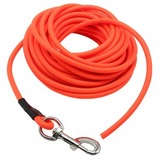
Training a hunting dog to work cleanly off-leash without an e-collar starts with smart groundwork on a dog training check cord. The cord is not just a rope; it is how we keep control while your dog learns good habits that will stick in the field and marsh. In this guide, we will walk through when to transition off the check cord, how to do it step by step, and how to keep your dog safe and responsive once the cord is gone.
As early fall rolls in and hunting season creeps closer, many handlers feel the urge to cut the cord fast. That pressure can lead to shortcuts and problems later, like breaking on birds, ignoring whistle sits, or chasing scent over the next property line. With a clear plan and patient work, we can give our dogs freedom without losing control, and head into opening day feeling ready instead of worried.
Build Rock-Solid Recall Before You Drop the Cord
Think of the dog training check cord as your dog’s seatbelt. While your dog is still learning, the cord keeps them from racing off after every smell and sound. It stops bad habits before they start and lets us guide our dogs into the right choices until those choices become second nature.
Before we even think about going off-leash, our dogs should be solid on a few basics while on the cord:
- Consistent recall on “here” or “come”
- A simple sit and short stay
- The ability to turn away from light distractions
- No hard pulling or lunging on the line
For upland and waterfowl hunters, early September is a great checkpoint. The weather starts to cool, dogs get more energy, and we want the foundation tight before birds are flying and guns are going off. If we skip steps now, we often pay for it later with:
- Breaking early on flushes or retrieves
- Ignoring recall when scent gets hot
- Unsafe range in thick cover or near water
Taking an extra week on the check cord in the yard is usually easier than trying to fix sloppy handling in the blind or a cattail slough.
Read Your Dog’s Readiness to Go Beyond the Check Cord
Not every dog is ready to drop the line at the same time. The cord tells the truth about how much control we really have. We want to see clear green lights before we give our dogs more freedom.
Good signs your dog is ready for the next step:
- Comes on the first command 8 or 9 times out of 10
- Checks back with you on its own during free movement
- Ignores mild temptations like decoys or another calm dog while on the cord
- Keeps a soft line with no constant pulling
Warning signs to slow down:
- Tension on the cord most of the time
- Delayed responses or “I heard you, but I am busy” body language
- Bolting after scent as soon as pressure lightens
- Needing multiple commands for a simple recall
A simple at-home readiness test with the dog training check cord helps:
- Call your dog from different distances, then time how long it takes to respond
- Walk in one direction, then turn sharply and see if your dog follows without you reeling them in
- Add one controlled distraction, like a bumper on the ground, and call your dog away
If your dog stays honest with slack in the line, you are ready to start loosening the grip.
Step-by-Step Plan to Loosen and Lose the Line
Going off-leash should feel like a slow fade, not a hard cut. We start on a short lead, move to a longer dog training check cord, let the dog drag it, switch to a lighter line, and only then go completely free. Always begin in a fenced yard or a safe, open training field.
Useful drills as you progress:
- Recall drills from 10, 20, then 40 yards
- Simple quartering, letting the dog swing left and right while you walk forward
- Short “hunt ’em up” passes, where the dog hunts but must stay in a set range
At first, we hold the end of the cord. Then, as the dog gets more reliable, we let the line drag and only step on it when needed. That way, the dog learns to listen to commands, not to the feeling of pressure on its neck.
As we move to a lightweight line, we act like we are off-leash even though we still have a safety net. That mental shift matters. The dog gets used to training on voice, whistle, and body position, not just the cord.
Train Off-Leash Like a Pro Without an E Collar
Working without electronics means our timing and clarity must be sharp. Dogs read us more than we think. Steady rules and clear signals make up for the lack of a button.
Key tools to keep control without an e-collar:
- Consistent verbal commands, always the same words
- Simple, readable body language, facing the direction you want the dog to go
- A whistle for long-distance recall or sit, especially in the marsh or on windy days
Rewards and fair corrections still matter. We can:
- Use praise, quick retrieves, or a favorite toy when the dog makes the right choice
- Give a short time-out or calmly reel the dog back on the check cord if it ignores a command
- Reset the drill at an easier level when things fall apart
Keep sessions short and focused. A good pattern is:
- Start with a couple of easy obedience drills
- Add one or two fun hunting-style exercises
- End on a win, even if that means going back to a simpler step
That balance keeps your dog’s brain engaged without needing an e-collar to hold their attention.
Take It to Real Fields and Water the Smart Way
Yard work is safe and controlled, but hunting does not happen in a backyard. We have to bridge that gap on purpose. In early fall, when the air cools and drive kicks up, we adjust our plan.
A smart progression looks like this:
- Start in low-distraction fields where there are few birds and people
- Move to quiet training ponds or marsh edges
- Slowly add decoys, calls, and then other dogs
Cooler temps can send drive through the roof, especially for breeds built for upland and waterfowl work. To stay ahead of trouble:
- Shorten sessions before your dog gets overexcited
- Watch for signs of overload like frantic running or ignoring known commands
- Clip the dog training check cord back on as soon as standards start to slip
Safety needs to stay at the top. That means:
- Walking the training area ahead of time to look for hazards or deep holes
- Respecting property lines and nearby roads
- Using visibility gear on your dog in low light
- Reinforcing check-ins and whistle recall before and after every retrieve or flush
Off-leash freedom should never come at the cost of safety.
Lock in Off-Leash Reliability Before Opening Day
In the month before season, a simple weekly plan helps turn all this work into steady results. Mix yard drills, field time, and a few “almost real” outings.
A sample week might include:
- Two short yard sessions on the dog training check cord for obedience and recall
- One controlled field session for quartering and range
- One training pond day to practice entries, exits, and straight-line returns
- One mock hunt with decoys, a partner, and realistic setups
Keeping a small training journal is a smart habit. Note:
- Which drills you ran
- How many first-command recalls you got
- What kind of distractions were present
Over a few weeks, those notes tell you if your dog is truly off-leash ready or if you need more time on the cord.
As hunters ourselves at HuntEmUp Outdoors, we know how much trust it takes to slip off that dog training check cord and send a dog free in real cover. Solid gear, clear handling, and a calm plan let both dog and handler walk into the season confident, safe, and ready to work together in the field and on the water.
Give Your Dog The Training Edge In The Field
Ready to tighten up your dog’s obedience and control in real hunting scenarios? Our dog training check cord helps you build reliable responses while keeping your dog safe and focused. At HuntEmUp Outdoors, we use proven gear that stands up to tough training conditions so you can train with confidence. If you have questions about choosing the right length or setup, contact us and we will help you dial in your training plan.