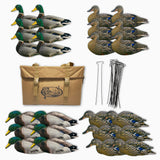
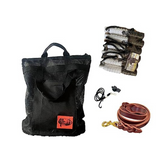
Situational Duck Hunting Decoy Bags for Drive‑In Marsh Hunts
Hunting decoy bags can make or break a drive-in marsh hunt. When the only way in is by foot or a small pull boat, every ounce and every strap starts to matter. With the right bag setup, we carry less, move quieter, and keep more energy for calling, shooting, and working dogs, not wrestling loose decoys in the dark.
In this article, we walk through how drive-in marsh hunts are different, why situational hunting decoy bags matter, and how to match your bag system to the way you actually hunt. Our goal is simple: help you turn those long, muddy walks into smooth, efficient setups that feel dialed in from the first step.
Turn Drive-in Marsh Hunts Into Efficient Setups
Drive-in marsh hunts can be brutal when we are overpacked and underorganized. Big, sloppy bags full of tangled decoys grab every cattail, soak up water, and wear us out before we even hit the hide.
These hunts are their own style of grind. We deal with:
- Long walks from the parking lot
- Narrow levees and dikes
- Short sled or boat pulls through mud and grass
- Cattails, shallow water, and sticky muck
Purpose-built hunting decoy bags help match our gear to the marsh. When we use bags that fit the situation, we cut trips, move quieter, and keep our head in the hunt instead of worrying about dropping a hen mallard in the dark.
Challenges Unique to Drive-in Marsh Duck Hunts
Drive-in marsh hunts stack a lot of little problems on top of each other. If our bag setup is wrong, those problems get bigger fast.
Limited Access and Mobility
Many spots only allow walking, or a small boat we drag by hand. That means:
- Everything rides on our back or in a sled
- Big, bulky bags swing and throw us off balance
- Heavy loads cause sweat and fatigue before shooting light
When we start the morning gassed out, we call worse, shoot worse, and have less patience for adjusting the spread.
Marsh Terrain and Water Conditions
Early and mid-season marshes tend to be messy. We often face:
- Thick smartweed, cattails, and brush
- Floating mats that try to grab every strap
- Ankle-to-knee-deep water with soft muck underfoot
The wrong bag drags in the mud, soaks through, or fills with water in the bottom. Then we are carrying an extra load of marsh back to the truck every time.
Time Pressure and Stealth
Good marsh hunts are all about the first flights. We need to:
- Get in with as few trips as possible
- Set the spread fast, quiet, and organized
- Avoid banging stakes, clanking hardware, and splashing
Noisy, awkward bags can ruin those first ducks that swing low in the gray light.
Why Situational Hunting Decoy Bags Matter in Marshes
Not every hunt needs the same bag. Matching bag style to distance, load, and season turns a slog into a system.
Match Bag Style to Hunt Distance and Load
Backpack-style hunting decoy bags are great when we have a decent walk and a moderate spread. With wide straps and a chest buckle, weight stays high and tight, so we can walk levees in the dark without wobbling.
For short hauls from truck to water, or from a small boat to the edge of the marsh, big open-top mesh or slotted bags shine. They move a lot of decoys at once, and we are not carrying them as far.
Adapt to Weather and Season
Early teal and wood duck hunts in warm weather call for lighter gear. Mesh bags are handy because:
- They breathe and dry faster
- They help cut mildew and smell
- Water drains quickly when we wade
Later in the season, when ice, cold, and snow show up, heavier fabrics and more structured bags work better. A bag that stands up to shallow ice and does not collapse in slush makes grabbing decoys with gloves on a lot easier.
Protect Premium Decoys and Motion Gear
When we run high-end floaters, full-bodies, and spinning wings, slotted and padded bags really help. They:
- Keep paint from rubbing
- Stop keels from banging together
- Cut down on tangled lines and lost parts
A well-organized bag means we can set motion decoys quickly in the half-light without digging around.
Types of Duck Decoy Bags That Excel in Marsh Hunts
Different bag types have different jobs in the marsh. Building a mix gives us options for each hunt.
High-Capacity Mesh Hunting Decoy Bags
Big mesh bags with backpack straps are great for mixed puddler spreads. The wide straps spread weight across our shoulders and back. Quick-drain mesh keeps us from hauling gallons of marsh water on the walk out.
Slotted Bags for Premium Marsh Spreads
Slotted bags with 6 to 12 spots are perfect for realistic mallards, pintails, or even a few goose decoys in a pressured public marsh. Individual slots:
- Keep lines and rigs tangle-free
- Protect decoy paint and flocking
- Let us pull one decoy at a time, quiet and smooth
Specialty Bags for Motion Decoys and Stakes
Motion gear deserves its own place. Compact bags for spinners, remotes, batteries, and stakes keep that setup tight. By separating motion from bulk floaters, we avoid broken wings, smashed batteries, and bent poles.
Packing Smart for Drive-in Marsh Hunts
A good bag system starts long before the alarm goes off.
Prioritize Spread Design, Not Just Decoy Count
It is easy to think, more decoys, better hunt. In a drive-in marsh, smarter is better. Plan the spread around:
- The species we expect: teal, mallards, wigeon, wood ducks
- One or two goose or bigger confidence decoys
- How the wind and cover usually line up in that marsh
Often, fewer, higher-impact decoys in slotted bags beat a giant pile in one oversized sack.
Layer Bags for Staged Carries
We like a simple system:
- One primary backpack-style hunting decoy bag
- One secondary mesh or slotted bag for add-ons
- A small motion bag that always stays ready to go
If we need two trips, the load is still organized, not scattered in random piles along the levee.
Balance Comfort, Safety, and Speed
Set straps so the bag rides high, not sagging at our hips. A chest strap helps keep things centered, which matters a lot on narrow, muddy trails. Leave at least one hand free for balance and safe gun handling, and keep loose gear clear of headlamps and sling straps.
Real-World Drive-in Marsh Setups
Here are a few simple ways to match bag setups to common hunts.
Early-Season Teal and Wood Duck Walk-Ins
Warm mornings and short hunts call for light gear. We like:
- One lightweight mesh backpack bag with a dozen small teal decoys
- A few wood duck decoys on the outside or top
- One compact motion decoy bag for a spinner or jerk rig
Mid-Season Mixed Puddlers on Public Marsh
With more pressure and longer walks, we tighten up the spread.
- One large backpack-style hunting decoy bag for standard floaters
- One 6 or 12 slot bag for premium mallards and pintails
- Motion gear bag clipped or strapped to the main pack
Late-Season Freeze-Up Edges and Pockets
Cold weather, ice shelves, and heavy clothing change the plan.
- Durable, structured slotted bags for full-bodied or oversized mallards and geese
- A compact bag for spinners, jerk cords, and extra stakes
- Shorter hauls, but more durable fabric and stronger handles for ice and crusted snow
Smart use of hunting decoy bags turns drive-in marsh hunts from a grind into a clean, repeatable system. At HuntEmUp Outdoors, we build our gear and our advice around serious waterfowl and upland hunters who want to work smarter, not just harder, on every marsh hunt.
Protect And Organize Your Decoys For Every Hunt
Choose the right gear now so your spread is easier to haul, faster to set, and better protected season after season with our hunting decoy bags. At HuntEmUp Outdoors, we build our selection around what actually works in the field, not what just looks good in a catalog. If you have questions about fit, capacity, or the best setup for your style of hunting, contact us and we will help you dial in the right solution.