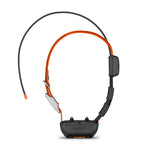
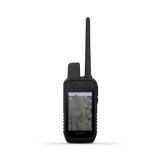
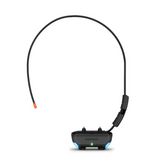
Is a Hunting Dog GPS Tracker Enough Without E-Collar Control?
Why GPS Alone Might Not Be Enough for Your Hunting Dog
A hunting dog GPS tracker is one of the best pieces of gear many of us have added to our kit. It shows where our dog is, how far they are, and what they are doing, even when we cannot see or hear them. For long fall days in the field, that peace of mind feels priceless.
But here is the honest question we all have to answer: Is knowing your dog’s location enough, or do you also need e-collar control to manage safety, obedience, and clean game recovery when things get wild? In thick cattails, flooded timber, or tall CRP, we often cannot rely on voice or whistle. We are going to walk through what GPS does very well, where it falls short without e-collar control, and how to choose a setup that keeps your dog safe and your hunts under control.
What a Hunting Dog GPS Tracker Does Exceptionally Well
When we talk about a hunting dog GPS tracker, we are talking about a tool that shines in real hunting conditions. For both waterfowl and upland hunts, GPS helps us keep track of dogs working out of sight, out of earshot, or in low visibility.
A good GPS tracker helps you with things like:
- Finding a dog in tall CRP, marsh grass, timber, or standing corn
- Recovering a dog in fog, low light, or blowing snow
- Watching range so a young dog does not push too far out front
It also gives a big boost in safety. With GPS, we can see when a dog is getting near:
- Roads or property lines
- Ice edges, deep sloughs, or strong current
- Areas of the marsh or field we know are risky
On multi-dog hunts, GPS really earns its keep. A single handheld unit can track several dogs at once, helping us see:
- Which dog is on point or locked up in cover
- Which dog is bayed or holding a running bird
- Which dog is in the water on a long retrieve
That is a lot of information right in our hand. But there is a limit. A GPS tracker shows where your dog is and what they are doing after they have already done it. It does not give you a way to change their behavior in the moment when it really counts.
Where GPS Falls Short Without E-Collar Control
Out in the field, things happen fast. There are many times when GPS alone just does not give us enough control.
Think about these common situations:
- A dog heading toward a busy road or onto private land you cannot enter
- A high drive dog lighting out after deer, coyotes, or other off-limits game
- A retriever breaking on the shot in a duck blind and crowding other hunters
- An upland dog that will not hear a whistle in strong wind or thick cover
In those moments, timing is everything. Voice and whistle commands can fail when:
- The wind is in your face and your voice does not carry
- Trees, cattails, or cattail sloughs block sound
- The dog is so amped up they tune out normal cues
By the time you see on the GPS that your dog has made a bad choice, it can already be too late to fix it with your feet. That is where remote e-collar control makes the difference. With a combo system, you can:
- Reinforce known commands like Here, Whoa, Sit, or Place at long distance
- Use tone or vibration for quiet, clear guidance when you do not want to yell
- Give a quick reminder right at the exact second the dog starts to break or chase
From the dog’s point of view, this timing matters. A correction or cue that lands at the moment of the mistake helps the dog connect the dots. GPS alone only tells us what already happened. E-collar control lets us shape what happens next.
Balancing Safety, Control, and Ethics in the Field
Most of us run dogs because we love them, and we want them to come home safe and tired at the end of the day. Safety has to come first. Having GPS plus e-collar control helps us:
- Stop a dog before it hits a road, fence, or thin ice
- Keep them within a safe working range in heavy cover or dark timber
- Call them off when they are pushing too hard in heat or bitter cold
There is also our responsibility as hunters. We are responsible for where our dog goes, what they chase, and how cleanly we recover game. Good control at distance lets us:
- Keep dogs off posted or neighboring ground
- Keep them off protected wildlife and off-limits species
- Direct blind retrieves and long tracks to cut down on lost birds and cripples
- Manage steadiness and tone around other hunters and dogs
Some people worry about e-collars being harsh. Used wrong, they can be. Used right, they are simply a clear way to communicate. That means:
- Solid yard training before hunting, with low levels tied to commands the dog already knows
- Leaning on tone and vibration as much as possible once the dog understands the job
-
Using stimulation as a light, fair reminder, not as anger or punishment
In many cases, a GPS and e-collar combo lets us use less pressure, not more. One quiet tone, given at the perfect time, often beats ten shouted commands that only confuse and stress the dog.
How to Choose a GPS and E-Collar Combo That Fits Your Hunt
This is why many serious waterfowl and upland hunters prefer an integrated GPS plus e-collar system instead of a GPS-only unit. Running one handheld that does both tracking and corrections keeps things simple and fast when birds are working.
When you look at combo units, pay close attention to:
- Range that matches where and how you hunt
- Waterproof, tough gear that belongs in marshes, boats, and late fall weather
- Fine control over stimulation levels, plus tone and vibration options
- Multi-dog capability if you run a string of dogs or guide hunts
Fall hunting brings its own gear challenges, especially as weather turns. It helps to think about:
- Battery life in cold temperatures during long days
- Screen visibility at dawn, dusk, and under heavy clouds
- Collar fit over thicker late season vests or coats on your dog
At HuntEmUp Outdoors, we work with hunting dog gear every day, from GPS units and e-collars to the field essentials that support them. We focus on waterfowl and upland hunters, so we understand how different dogs, different game, and different cover types change what you need out there.
Why GPS Plus E-Collar Control Makes Every Fall Hunt Better
A hunting dog GPS tracker gives us awareness, recovery, and a big boost in confidence. When we add remote e-collar control to that same system, we get the full package: safety, obedience, and ethical hunting, even in the tough moments of a busy fall season.
It is worth thinking back on past hunts. Were there times when no tracking, or GPS-only, left you worried or scrambling? Were there moments when you wished you could stop or recall your dog right away but could not reach them with your voice? When we pair smart training with the right GPS and e-collar combo, we get calm, controllable dogs that do their best work, stay safer, and help us make the most of every day in the field.
Equip Your Hunting Dog With Proven GPS Protection Today
Give yourself peace of mind in the field by choosing a reliable hunting dog GPS tracker from HuntEmUp Outdoors. We carefully select and test the products we carry so you can focus on the hunt, not on wondering where your dog has gone. If you have questions about compatibility, features, or setup, contact us and we will help you choose the right solution for your dog and hunting style.