Comparing Hunting Dog Tracking Collars and GPS Devices
Keep Your Gun Dog Safe and Found Every Hunt
Keeping track of a hard-charging gun dog is one of the most important parts of any hunt. Thick cover, low light, and moving birds can pull a dog out of view fast, and it only takes a few seconds for a simple cast to turn into a missing dog problem. When we add in cold wind, shifting weather, and nearby property lines, the risk goes up even more.
On a busy October morning, we might be running more than one dog, working cattails, CRP, or flooded timber before the sun breaks the horizon. Whistles and voice commands only go so far when the wind is in our face or the dog is pushing the edge of its range. That is where tracking tools earn their place on the collar.
Hunters today usually choose between traditional radio tracking collars and a modern hunting dog GPS tracker. Each style has its strengths, and the best option depends on how we hunt, the terrain we cover, and how our dogs like to work. Our goal here is to lay out the tradeoffs so we can match the right system to our hunting style and keep our dogs safe from first light to last shot.
How Tracking Collars Work in Real Hunting Conditions
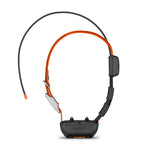
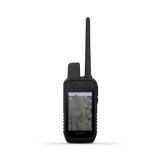
Traditional tracking collars are radio-based systems. The collar sends out a VHF signal, and a handheld receiver with an antenna lets us swing and point to find the strongest direction. We follow the tone or meter reading to home in on the dog, even when we cannot see or hear anything in the cover.
In real field use, these collars can do very well in places like:
- Rolling hills and coulees
- Thick cattail sloughs and marsh edges
- Big timber where dogs drop over ridges
- Remote prairies with almost no cell coverage
Radio signals do not care if there is a cell tower nearby. They can punch through a lot of brush and mild terrain changes, but line of sight still matters. Deep ravines, rock, and very heavy woods can cut range, so learning how your receiver behaves in your home cover is important.
Some clear pros of traditional tracking collars are:
- Very long battery life on the collar
- Simple, tough hardware that handles mud and cold
- Reliable performance where phones are useless
- A long track record with serious hunters
There are tradeoffs too. These systems usually:
- Take more practice to read the signal and antenna correctly
- Do not show detailed maps, cover edges, or aerial images
- Give less real-time data than GPS maps or phone apps
Even with those limits, radio tracking collars still shine for hunters who spend a lot of time far from any service, especially where losing a dog would be a long, hard problem at the end of the day.
What Modern Hunting Dog GPS Trackers Really Offer
A hunting dog GPS tracker uses satellites to fix the dog's location, then sends that location to a handheld unit or smartphone. Instead of only knowing direction and signal strength, we see our dog as a moving icon on a map with terrain, roads, and often water and cover types.
Strong GPS systems can show:
- Real-time positions and heading for each dog
- Breadcrumb trails that show where the dog has been
- Custom geofences around property lines or no-go zones
- Alerts when a dog goes on point, trees game, or leaves a set area
Connectivity works in two main ways. Some trackers pair a GPS collar with a dedicated handheld, so everything works even when phones are useless. Others use GPS in the collar plus cellular data to send updates to an app and even share dog positions with hunting partners. Each style has its place, depending on how far off the grid we plan to go.
Hunters often ask about a few key concerns:
- Battery life, especially in cold October mornings
- Collar size and weight on smaller or younger dogs
- Privacy of location data when using app-based systems
- Toughness in icy water, mud, and thick brush
Good hunting dog GPS tracker systems are built for rough weather and wet dogs, but it still pays to match the gear to the breed, neck size, and typical day length we expect in the field.
GPS Trackers vs. Radio Collars for Different Hunt Styles
Upland and waterfowl hunts put different demands on our tracking gear. In open grass or mixed cover, upland dogs often work big, sweeping casts and may be out of sight a lot. Here, a mapping-style hunting dog GPS tracker can be a huge help, showing exactly where the dog is, how far out it is, and where it has already covered.
For waterfowl, the priorities can change. In marshes and backwaters, dogs often work a tighter area, but cover can be dense, and conditions can be harsh. Some duck hunters favor the simpler, long-running radio collars that just keep working no matter how cold and wet the morning gets, especially when they are boating into remote spots where cell service is low.
When we compare the two options, some key decision points are:
- Terrain: flat prairie, rolling hills, timber, or marsh
- Range: how big our dogs naturally run
- Dogs: one calm retriever or several hot-running bird dogs
- Visibility: how often we actually see the dog while hunting
- Tech comfort: how happy we are using handhelds or phone apps
Both systems boost safety and recovery. After shooting light ends, a clear signal or GPS trail helps us work right to a dog that chased a cripple or got turned around in fog, snow, or wind. That peace of mind is worth a lot when the truck is a long way off and the weather is sliding the wrong way.
There are also long-term gear decisions to think about. A radio collar might mean fewer ongoing fees, while some cellular GPS trackers need active service plans. Mid- to higher-end systems for either style can pay off over many seasons by reducing lost time and making it easier to keep our dogs healthy and working.
Must-Have Features in a Hunting Dog GPS Tracker
For hunters who lean toward GPS, some features really matter. At the top of the list are:
- Accurate GPS with quick position updates
- Long battery life in cold, wet conditions
- Strong waterproof rating for rain, ice, and swims
- Collars built to survive briars, rocks, and brush
Mapping and user interface play a big role too. A screen that is easy to see in sun and low light, simple menus, and clear icons help us keep our eyes on the dog and the birds, not lost in menus. The best systems also let us drop marks on roosts, cover edges, food sources, and blinds, turning a tracker into a scouting partner between hunts.
Many serious hunters run more than one dog, so multi-dog tools matter:
- Tracking several collars at once
- Color-coding or clear labels for each dog
- Distance alerts when a dog hits a set range
- Simple switching between dogs for quick checks
Some systems also mix GPS tracking with e-collar training tools. This lets us give silent corrections or tone and vibration cues while seeing exactly what the dog is doing on the map. Used with care, that kind of control helps shape how each dog works, from a careful pointing dog in heavy cover to a hard swimmer in a late-season marsh.
Gear Up Your Dog for a Safer Fall Hunting Season
As fall flights build and upland seasons open, it is a smart time to review the collar on our dog's neck. If we have ever felt that knot in our stomach when a dog did not come back when called, better tracking gear can turn that worry into confidence and let us focus on birds and safe shots.
A simple way to choose is this: hunters who spend most of their time in extremely remote, rugged country may lean toward traditional radio tracking collars, while those who value detailed maps, multi-dog views, and shared locations with partners may prefer a modern hunting dog GPS tracker setup. At HuntEmUp Outdoors, we focus on reliable dog gear for serious waterfowl and upland work, from classic tracking collars to newer GPS and training combos, and we are always glad to help match the right system to the way you and your dogs hunt.
Keep Your Dog Safe And On Track This Season
Equip your hunting partner with reliable tracking so you can focus on the hunt, not on wondering where your dog went. Explore our Garmin options to find the right hunting dog GPS tracker that matches your terrain, training style, and dogs. At HuntEmUp Outdoors, we stand behind the gear we recommend and are ready to help you choose what works best in the field. If you have questions or need personal guidance, please contact us for expert support.