Is a Hunting Dog GPS Tracker Worth It for Small Properties?
Why Small Property Hunters Are Choosing GPS Tech
Running a hunting dog on a small piece of ground sounds simple. You can see the fence line, you know every corner, and you probably walk it all the time. But once birds are flying, guns are going off, and your dog is fired up, that neat little 20 acres can feel a lot smaller and a lot more crowded.
We hear from a lot of hunters working 5 to 40 acre spots, especially across the Midwest, who are starting to think about a hunting dog GPS tracker. It is no longer just a tool for big Western ranches or giant public land. The question most people ask is pretty honest: if you can see from one side to the other, does GPS really matter? The real answer has less to do with how big your land is and more to do with safety, efficiency, and the way you like to hunt.
Hidden Risks of Small Properties Most Hunters Overlook
Small properties are tricky because trouble is always close. A driven dog can reach a road, a neighbor’s pasture, or a posted fence line in seconds. When birds are running and your dog is locked on the chase, that nice simple boundary is just a line on a map, not in your dog’s mind.
Common problem spots on small tracts include:
- Roads or driveways just beyond the trees
- Neighboring livestock that get your dog’s attention
- Posted land where a bird might cross the line
- Nearby houses or farmyards hidden by cover
Think about these real-world moments: a bird dog pushing a running rooster across the back fence, a young retriever chasing a crippled duck into the next pond over, or a hound slipping through a low spot in the fence right at last light. On tight ground, those situations develop fast. You often lose sight of the dog behind thick fall brush, standing corn, tall CRP, creek bottoms, or rolling hills.
By the time you stop, look, and call, your dog might already be out of bounds. You are not dealing with slow mistakes. You are dealing with fast moves in heavy cover when you have the least visibility and the most pressure.
What a Hunting Dog GPS Tracker Actually Does for You
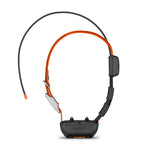
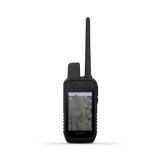
A lot of folks think a hunting dog GPS tracker is just a dot on a screen. In the field, it does much more. Modern systems give you real-time information that changes how you handle your dog, even on small chunks of land.
Useful GPS features often include:
- Live location, distance, and direction to your dog
- Alerts when your dog reaches a set boundary
- Notifications when your dog stops moving or is on point
- The ability to track more than one dog at once
On a small property, that means you know if your dog is pushing toward the road, holding a point in thick cover, or circling back behind you where you cannot see. Instead of yelling, whistling, and guessing, you glance at the handheld and make a calm choice. Many GPS tracking collars and handhelds we see used in the field are built to take abuse, deal with cold, mud, and rain, and still give clear info in real hunting weather.
That extra awareness lets you step in sooner, not later, which is the whole key with compact, busy properties.
Weighing Cost Versus Peace of Mind on Limited Acreage
One big hangup with a hunting dog GPS tracker is the idea that it is a big investment for a small spot. We get that. When you compare it to a bag of decoys or a new vest, it can feel like a big step.
But think through what is really on the line:
- The dog you have trained, bonded with, and rely on
- Possible vet bills from a road hit or bad tangle in a fence
- Tense talks with neighbors if your dog crosses onto posted land
- Lost hunting time chasing a runaway dog instead of working birds
We often hear things like, "My property is too small," or "He always comes to the whistle," or "I have hunted this place for years and never had a problem." All that can be true until the one day when there is a crippled bird, extra trucks on the gravel road, more hunters on the next farm, and your dog has a full tank of energy. It only takes one bad breakaway during peak pressure to change your opinion.
Over time, GPS tracking tends to pay you back not only in safety but in smoother hunts. When you can see where your dog is working, you move smarter, cover ground cleaner, and often recover downed birds faster because you go right to where your dog is focused instead of wandering around guessing.
When a GPS Tracker Truly Pays Off on Small Tracts
GPS tracking does not matter the same way for every dog or every property. There are certain setups where it really starts to shine, even if your spot looks small on a map.
GPS is especially helpful if you:
- Run young, high-drive, or big-ranging dogs
- Share fences with busy roads or driveways
- Have neighbors with livestock or tight boundaries
- Hunt near posted or heavily pressured land
The style of your hunts matters too. A quiet weekday training run with one dog and no other gunners is usually calm. Now compare that to a full fall weekend with friends, extra guns, more trucks on the county road, and more shots echoing from nearby farms. Those are the days when dogs get amped, birds move more, and distractions pop up from every side.
Seasonal timing also plays a big part. Early to mid-fall means thick cover, fresh leaves, standing crops, and dogs running hard in cool air. Upland and waterfowl seasons stack on top of each other. There are more people in the field, more vehicles moving, and more chances for a dog to slip into a bad spot. GPS gives you a steady line to your dog when everything else is busy and loud.
How to Choose the Right GPS System From HuntEmUp
Picking a hunting dog GPS tracker does not have to be confusing. Start with how your dog works and how you use your land.
A simple way to think about it:
- Close-working retrievers: Basic GPS tracking is often enough so you always know where they are in the marsh or cover.
- Pointing dogs and hounds: Tracking plus training systems can help you both see where they are and give clean corrections when needed.
- Multiple dogs: Multi-dog setups let you follow the whole string without juggling different systems.
For small property hunters, a few features are more important than others: fast update rates so you are not behind your dog, strong range in timber or rolling ground, a clear handheld display you can read in bright or low light, tough collars that can handle brush and water, and controls that are simple to use with gloves on when it gets cold.
At HuntEmUp Outdoors, we focus on proven GPS tracker systems and hunting dog gear that hold up in real field conditions, from early season warmth to cold late fall days. Our goal is always to match the right collar and setup to your dog, your property size, and how you actually hunt, so your GPS works for you instead of becoming another gadget in the truck box.
Make This Season the One You Stop Hoping and Start Knowing
On small properties, a hunting dog GPS tracker is not about stretching your range, but it is about cutting down those fast, high-consequence mistakes. When you can see where your dog is and where your dog is heading, you make better choices, protect your dog, and keep peace with the neighbors.
Before the heart of fall hits, it helps to step back and look at your own setup with clear eyes: the layout of your land, your dog’s age and drive, the type of neighbors you have, and how much risk you are actually willing to carry into each hunt. When you answer those questions honestly, it becomes much easier to decide if GPS belongs on your dog’s collar the next time you pull out of the driveway.
Keep Your Gun Dog Safe and On Track Every Hunt
Equip your partner with a reliable hunting dog GPS tracker so you always know where they are and how they are working in the field. At HuntEmUp Outdoors, we carefully select gear that stands up to real hunting conditions and delivers the tracking performance serious hunters expect. If you have questions about which system is right for your dog or hunting style, contact us and we will help you choose with confidence.