A Puppy Training Timeline by Age: What to Teach and When, From the First Week at Home to Adolescence
A hunting dog is built over months, not weekends. The puppies that turn into steady, reliable partners are usually not the ones that were pushed hardest. They are the ones that were taught the right skill at the right age. Here is a practical timeline you can follow, from the day the puppy arrives to the awkward teenage months.
Week 1 at home (about 8 weeks old)
The first week is about routine, not skills. Pick a feeding schedule, a sleeping spot and a toilet spot, and keep them the same every day.
Introduce a crate early and make it a calm, comfortable place with bedding and a chew toy. Take the puppy outside after waking, after meals, after play and before bed. Most accidents happen when someone forgets one of those moments.
Teach the puppy's name by saying it cheerfully and rewarding eye contact with a small treat. Keep handling gentle: touch the paws, ears and mouth for a few seconds each day. A puppy products shortlist can cover the basics, but you don't need much more than a collar, a lead, a bed and safe chew toys at this stage.
Weeks 8 to 12: Foundations and first retrieves
At this age puppies learn quickly, but their attention lasts only a couple of minutes. Run several very short sessions a day, and stop while the puppy still wants more.
- Sit: Lure with a treat above the nose and reward the moment the hips lower.
- Come: Say the cue in a happy voice, back away and reward generously. Never call the puppy to end something it loves.
- Socialization: Introduce new surfaces, people, car rides and everyday noises, calmly and at the puppy's pace. Ask your veterinarian which places are safe until vaccinations are complete.
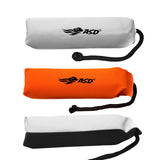
- First retrieves: Toss a soft training bumper a few feet down a hallway, so the puppy can only run back to you. Praise, take it gently and finish after two or three tosses.
Do not introduce gunfire yet. At this stage, ordinary household sounds are enough.
Months 3 to 4: Recall, leash and water
Now the puppy can stay focused a little longer. Keep sessions short, but you can add structure.
Start loose-leash walking with a proper collar and lead. For recall, attach a check cord in a safe, enclosed area so the puppy can practice coming back without learning that it can ignore you.
This is also a good time to charge a whistle: blow one short note and give a treat, many times, before you ever ask for a behavior. Later, the sound will already mean something good.
Introduce water slowly. Choose warm days and shallow, calm water, wade in yourself and never throw or push the puppy in. Confidence matters more than distance.
Months 4 to 6: Patience, marks and gunfire
The puppy can now learn to wait. Practice "stay" for short periods, then reward calm behavior before releasing it to retrieve. Steadiness taught gently now saves a lot of frustration later.
Lengthen the retrieves to short marks in light cover, and keep the dummy interesting. Keep the puppy's growing joints in mind: avoid long, repetitive jumping or hard running on rough ground.
Gunfire introduction belongs here, and it should be slow. Start with a sound far away while the puppy is eating or playing, and move closer over many sessions only if the puppy stays relaxed. If the puppy startles or freezes, make the next session easier. A noise-shy dog is much harder to fix than to prevent. Our guide for new duck dog owners covers other first-season basics.
Months 6 to 12: Adolescence
Around this age, many owners think their puppy has forgotten everything. It hasn't. Adolescence brings distraction, testing and "selective hearing."
- Go back a step. Practice in easier places and reward the skills you already taught.
- Keep the check cord on during off-leash practice so every cue is followed through.
- Stay consistent. Rules that change from day to day make this stage longer.
- Keep sessions short and positive, and add exercise so the dog has an outlet.
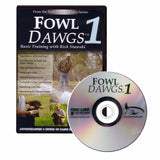
Equipment like a remote training collar is a tool for a dog that already understands the cues, not a shortcut for a puppy that doesn't. If you plan to use one, wait until the foundation is solid and get guidance from an experienced trainer, and read a good book or watch a training program first. HuntEmUp stocks dog training books and videos for that purpose. Once your dog starts ranging in open country, a tracking collar is worth considering.
Keep a first aid kit in the truck, and talk to your veterinarian about vaccinations, parasite prevention and exercise limits for your puppy's breed.
The one rule behind every stage
Teach one small thing at a time, reward what you want, and end on a success. If a skill falls apart, you moved too fast. Go back to the last step the puppy did well and build again. Every dog develops at its own pace, so treat the ages above as a guide and not a deadline.
This article is general information and does not replace advice from your veterinarian or a qualified trainer.
Adam Steve is the founder of EpicDogLife.com, a site for dog owners with guides on puppy training, nutrition and everyday care.